

Major Industrial Push Approved in Lahore
The Punjab cabinet has formally approved a large-scale industrial development and export promotion initiative valued at Rs1.995 trillion. The extensive economic roadmap has been designed to generate more than 162,000 employment opportunities across the province while enhancing Pakistan’s trade competitiveness.
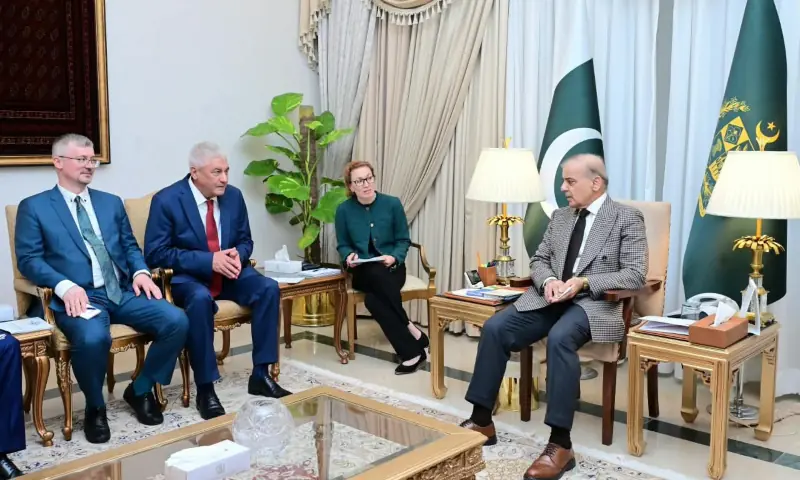
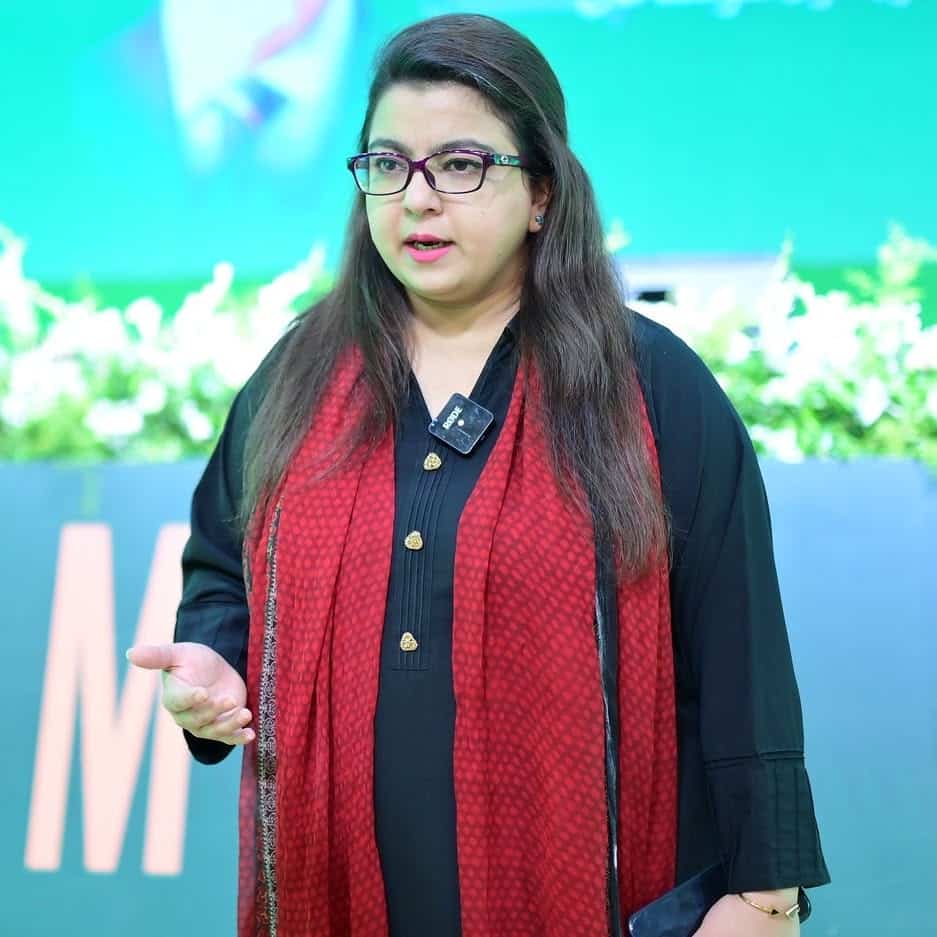
The policy decision was finalized during the 37th provincial cabinet meeting, convened in Lahore on Monday, October 19, under the leadership of Chief Minister Maryam Nawaz Sharif. Senior Minister Marriyum Aurangzeb laid out the details of the comprehensive programme before the cabinet, outlining strategic interventions intended to stimulate sustained industrial expansion, boost foreign exchange earnings through exports, and create viable livelihoods for the workforce.
Financing Structure and Private Sector Participation
Under the financial framework approved by the cabinet, the provincial administration is set to provide Rs1.089 trillion in public funding to drive the initiative forward. Alongside state resources, the programme anticipates mobilizing Rs906 billion through private sector investments.
The dual-track investment model intends to channel combined capital into strengthening established manufacturing hubs while simultaneously developing high-potential sectors. Authorities aim to leverage this capital injection to scale up local production capabilities, support digital commerce channels, and provide targeted backing to garment manufacturers.
Quality Certification and Agricultural Processing Hubs
A core element of the provincial blueprint involves addressing long-standing structural bottlenecks in export sectors. To enable domestic goods to meet strict international market criteria, the government plans to upgrade testing, inspection, and certification infrastructure. These interventions will place particular emphasis on major value-added export segments, including leather goods, footwear, and sports equipment manufacturing.
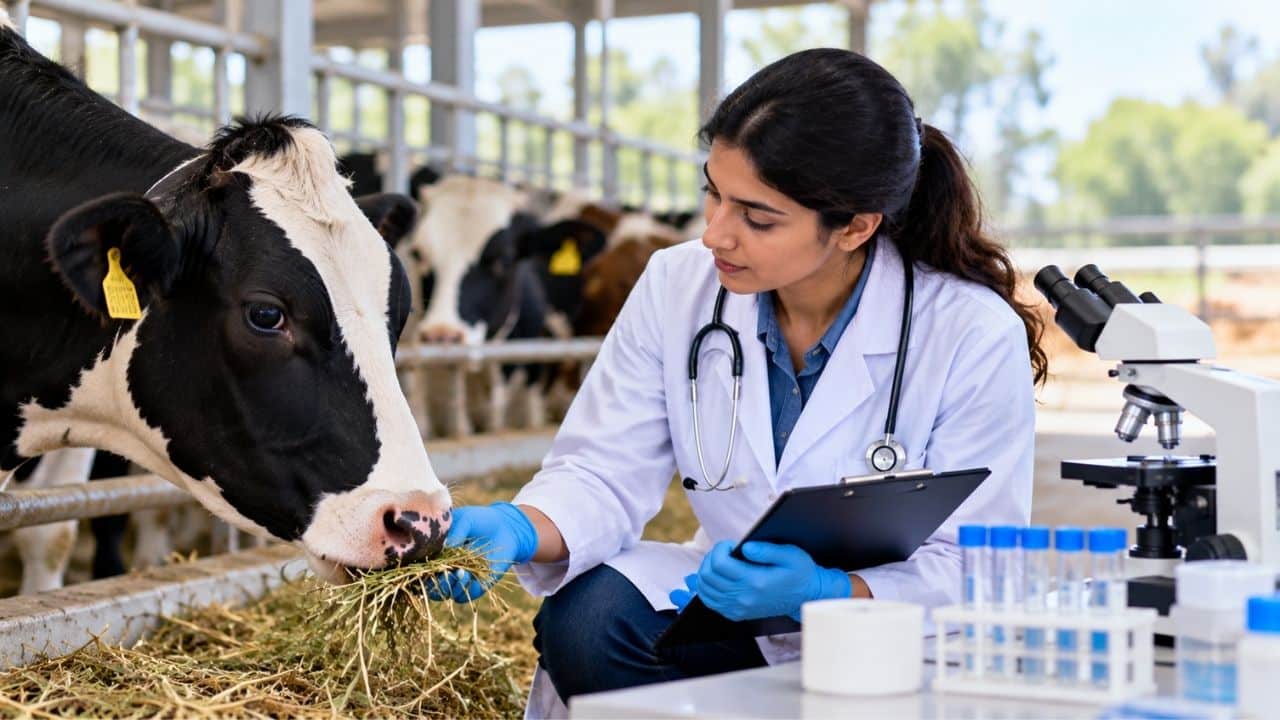
In addition to urban manufacturing, the programme outlines an expansion into agro-based value chains. Dedicated agricultural processing parks are scheduled for establishment across several districts, including Sargodha, Khanewal, Okara, and Bhakkar. These specialized zones are intended to minimize post-harvest losses and modernize processing techniques for regional produce.
Broader Focus Areas and Implementation Realities
Beyond traditional industrial output, the cabinet-backed framework covers a diversified range of productive sectors. Planned initiatives encompass food processing, livestock development, aquaculture operations, and provincial tourism infrastructure. Workforce skills development forms an underlying pillar across these sectors to prepare workers for emerging technical roles.
The overall framework seeks to elevate the value addition of provincial production so domestic companies can compete on price and quality in foreign markets. However, the eventual realization of the targeted 162,000 jobs and economic returns will depend heavily on administrative execution, inter-departmental coordination, and the pace at which projected private capital is deployed into physical projects.