

Cross-Border Commercial Activity Halted
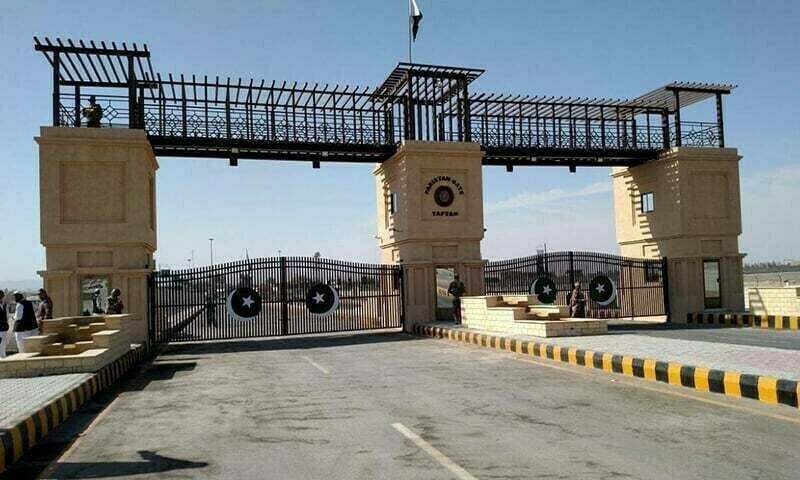
Commercial traffic across all four major trade crossings along the Pakistan-Iran border in Balochistan has ground to a halt, according to local traders and business sources. The affected border points include Taftan, Gabd-Rimdan, Chedgi, and Mand, all of which serve as primary transit corridors for bilateral overland commerce between the two neighbouring countries.
The sudden closure has interrupted bilateral trade flows and suspended the transit of numerous commodities. Key imports and exports affected by the standstill include consignments of liquefied petroleum gas (LPG), fresh fruits, and various other essential merchandise routinely moved across the southwestern frontier.
Regulatory Changes and Import Documentation Issues
According to an official representing a local Chamber of Commerce, the trade disruption follows a regulatory shift by the federal Ministry of Commerce. The ministry reportedly withdrew a previously issued order concerning the attestation of electronic import forms for goods entering Pakistan from Iran. This procedural rollback has created acute uncertainty among importers regarding the clearance mechanisms for incoming consignments at customs checkpoints.
Because the clearance framework remains unclear following the withdrawal of the attestation order, commercial cargo processing has stalled. The resulting administrative bottleneck has left consignments stranded and prevented standard cross-border processing from taking place at terminal facilities.
Advisory Issued to Importers and Transporters
In response to the operational standstill, business representatives have advised local merchants and importers to temporarily refrain from booking new cargo shipments or entering into fresh purchase agreements with Iranian suppliers. The advisory is intended to protect traders from potential financial losses, demurrage costs, and prolonged clearance hold-ups at border terminals.
The halt poses severe logistical and financial challenges for enterprises with consignments currently in transit or those that had prepared shipments for dispatch. Many commercial entities operating across Balochistan rely extensively on the steady, daily movement of goods across the Iranian frontier to maintain business operations and regional supply chains.
Impact on Balochistan Regional Economy
The Pakistan-Iran land border constitutes an essential economic artery for Balochistan. Local communities, commercial hubs, transport operators, and auxiliary service providers in border districts depend directly on cross-border trade for revenue and market supplies. Prolonged suspension of commercial routes threatens to disrupt the broader transport network and trade infrastructure tied to these crossings.
As of now, government officials have not released a timeline for when the four border crossings will resume normal clearance operations or when bilateral commercial traffic will be restored. Traders and commerce bodies continue to monitor regulatory updates from the authorities, awaiting formal procedural clarity before committing to further cross-border trade transactions.