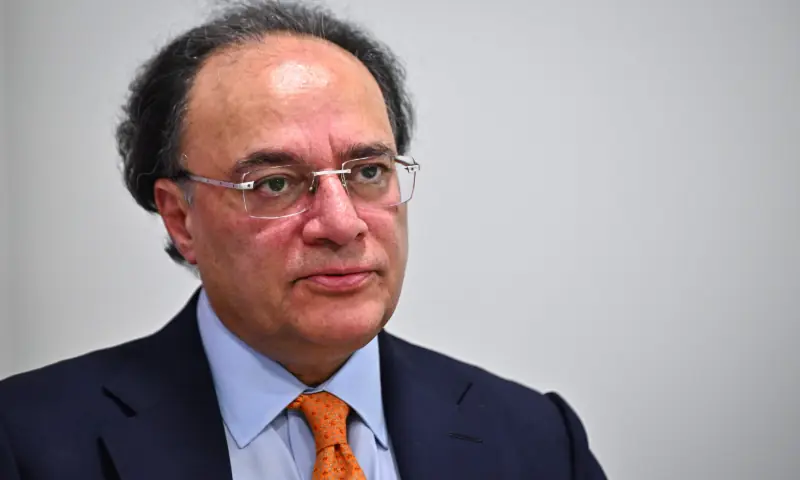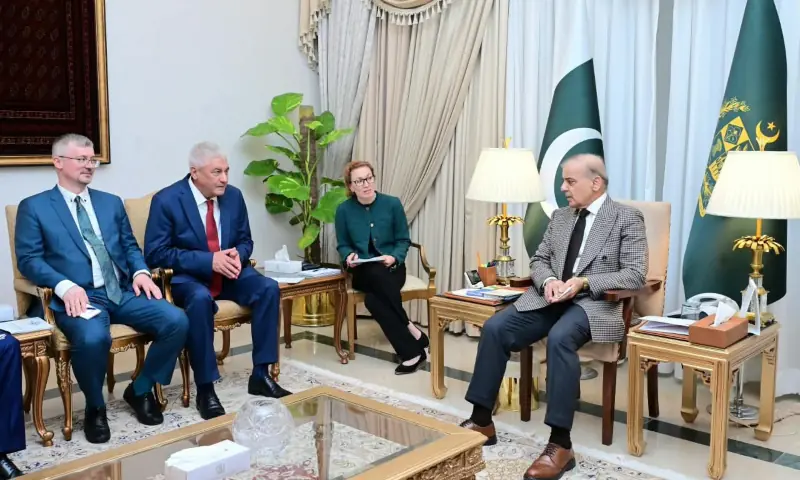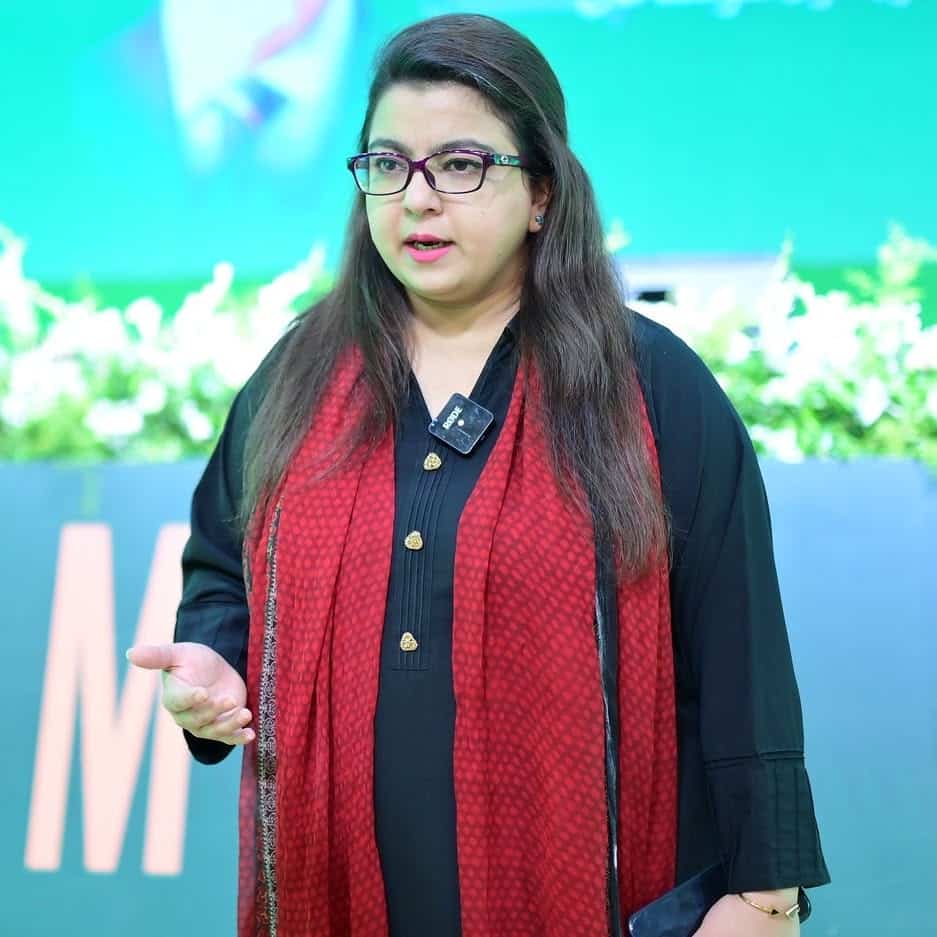


The government is seeking to divest stakes in five to six state-owned entities in an initiative aimed at generating more than $1 billion, Finance Minister Muhammad Aurangzeb confirmed during an interview on Monday.
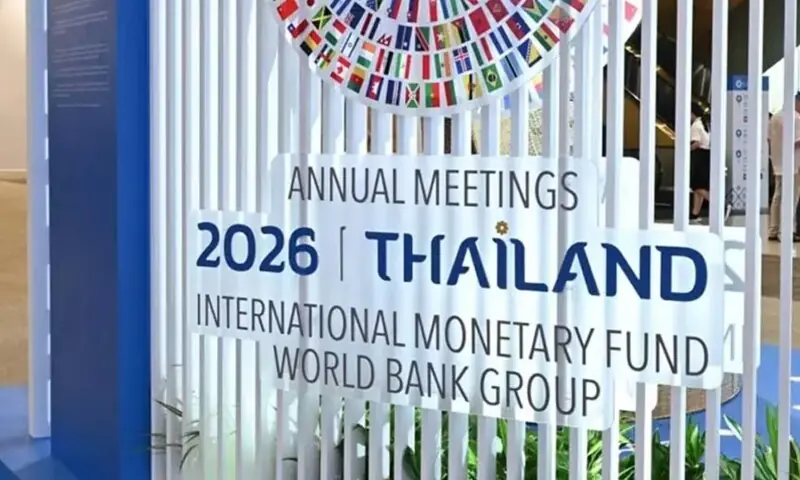
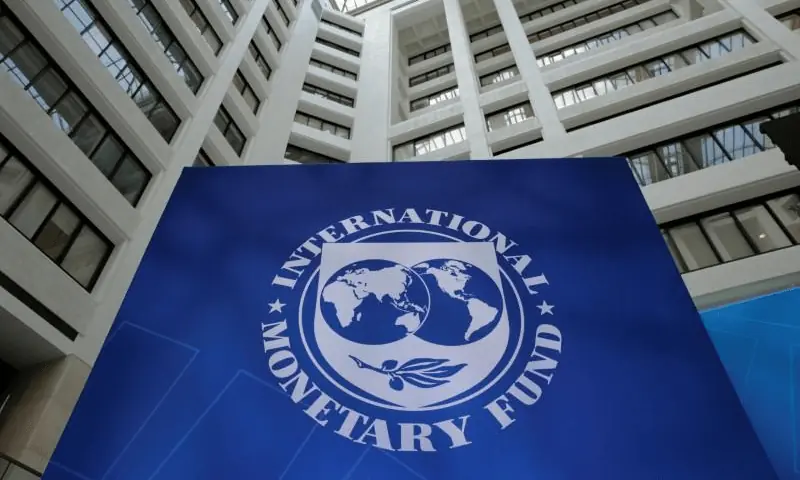
Speaking on the sidelines of the annual meetings of the International Monetary Fund and World Bank in Bangkok, Aurangzeb expressed optimism regarding the country’s broader economic trajectory, stating that gross domestic product is anticipated to expand by more than 4 per cent during the current fiscal year despite the pressure of elevated global oil prices.
Privatisation Drive Across State Entities
The planned divestment drive follows steps taken toward the privatisation of national flag carrier Pakistan International Airlines. Under the broader strategy, authorities are preparing to sell off five to six entities, which officials anticipate could raise upwards of $1 billion in total proceeds.
The push to privatise state assets forms a central pillar of official efforts to consolidate public finances, streamline the state’s footprint in commercial sectors, and secure vital external inflows to stabilise the economy.
Growth Outlook and External Vulnerabilities
Despite mounting geopolitical tensions and volatile energy markets, Aurangzeb maintained that economic growth prospects remained firm. “So I’m still quite clear that we should clock north of 4pc,” the finance minister said, noting that foundational sectors of the domestic economy, particularly agriculture, have continued to hold up.
Addressing the risks associated with global market turbulence, Aurangzeb pointed out that the country has procured adequate volumes of fuel, successfully pre-empting domestic supply shortages. However, authorities remain vigilant over broader price dynamics. “And on the inflation side, obviously, we are keeping a very close eye because it does have a knock-on impact in terms of the commodity prices,” he noted.
Pakistan remains structurally exposed to regional instability, particularly the prospect of a prolonged Middle East conflict. The domestic economy relies heavily on Gulf countries for energy imports, vital worker remittances, and bilateral financing support. At the same time, the country depends substantially on external financing to replenish its foreign exchange reserves and meet heavy international debt service obligations.
IMF Program and Structural Fiscal Reforms
The push for fiscal and state-asset reform comes as Pakistan regains economic footing following an extended period of acute financial instability that was exacerbated by the Covid-19 pandemic.
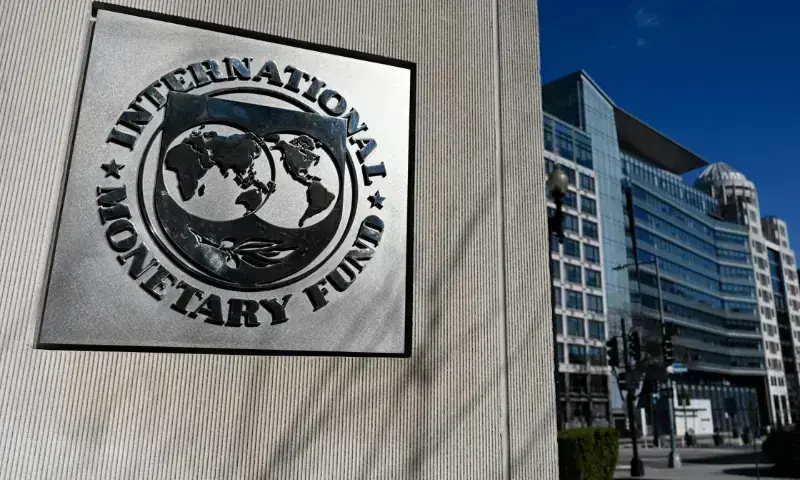
Stabilisation has been underpinned by a $7 billion, 37-month Extended Fund Facility agreement secured with the International Monetary Fund in 2024. The multilateral program mandates several rigorous structural reforms, including broadening the domestic tax net through measures such as raising tax revenue on agricultural income.