
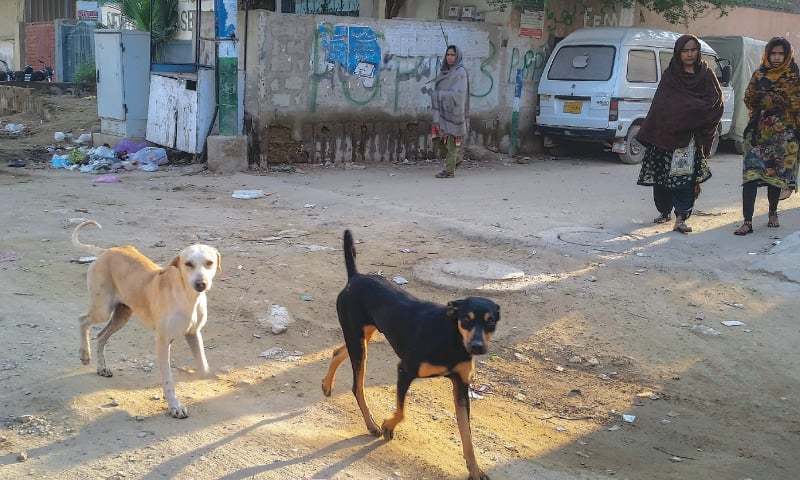
Two more dog-bite victims have died of rabies in Sindh, pushing the recorded fatalities from the viral disease across the province to 42 this year. The latest deaths have heightened concern among medical professionals, who are pressing provincial authorities to immediately clear free-roaming canines from urban centers and establish designated shelters.
Fatalities at JPMC and Liaquat University Hospital
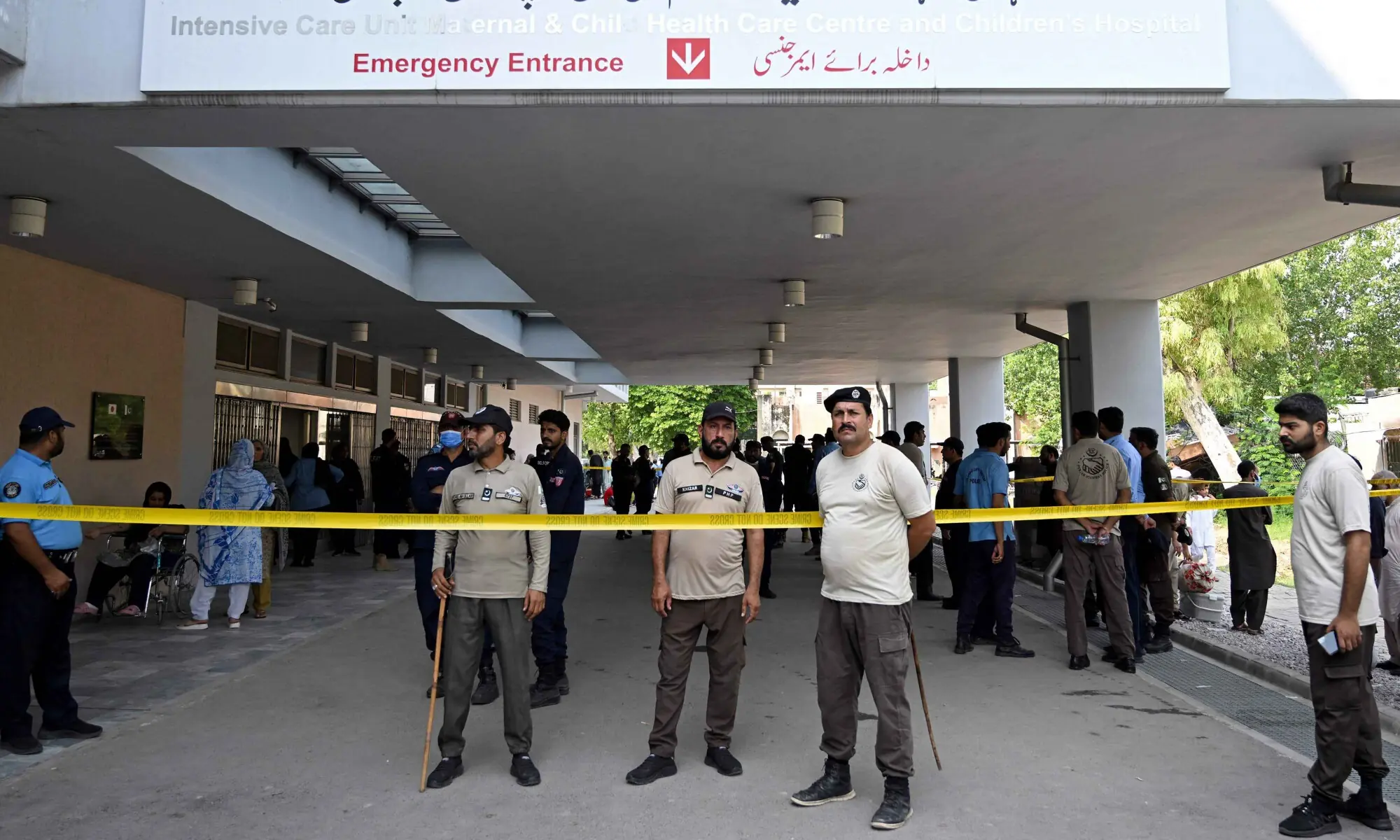
Hospital sources confirmed that the first victim, identified as 38-year-old Javed, a resident of Hyderabad, passed away at the Jinnah Postgraduate Medical Centre (JPMC) in Karachi on Monday. A hospital physician, speaking on condition of anonymity, stated that the patient had been brought to the emergency ward on Sunday around 11:00 p.m. displaying advanced rabies symptoms, including hydrophobia, acute dysphagia, fever, and irritability.
According to clinical details provided by the facility, the patient sustained a dog bite to his face approximately four months prior to presenting at the hospital. His post-exposure prophylaxis and vaccination status remained undetermined at the time of admission.
The second fatal case involved a 52-year-old man identified as Allahbad. Originally from Nawabshah, the patient was referred to Liaquat University Hospital in Hyderabad for emergency care, where he succumbed to the infection on Monday afternoon.
Medical Bodies Urge Canine Population Control
The latest casualties have drawn sharp criticism from health professionals regarding the absence of comprehensive municipal interventions to curb the street dog population. Senior Pakistan Medical Association representative Dr. Mirza Ali Azhar emphasized that free-roaming dogs continue to cause injuries and fatalities across Sindh while official containment efforts remain insufficient.
Referring to research indicating a high prevalence of the rabies virus among dogs in Karachi, healthcare officials reiterated the necessity of implementing systemic population control programs alongside structured relocation efforts to mitigate public exposure to fatal bite injuries.