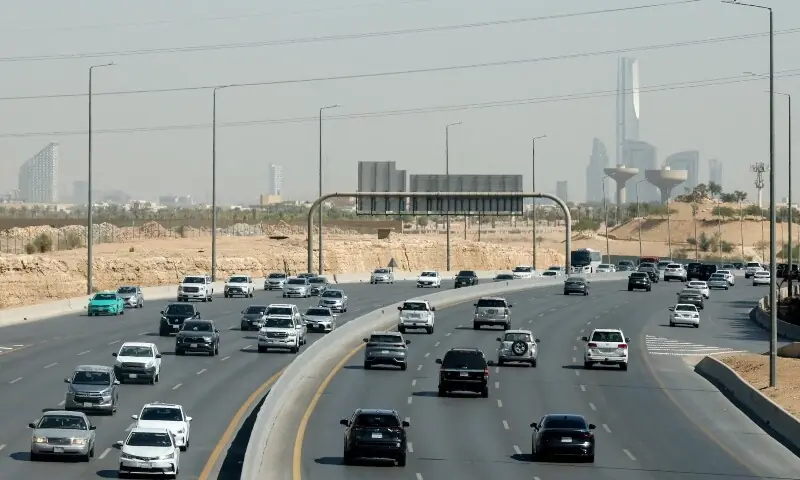


Finance Minister Muhammad Aurangzeb has cautioned that recent strikes targeting critical infrastructure in Saudi Arabia and across the Gulf region present serious risks to Pakistan’s longer-term economic outlook, even as the country successfully manages the initial fallout from soaring global energy costs.
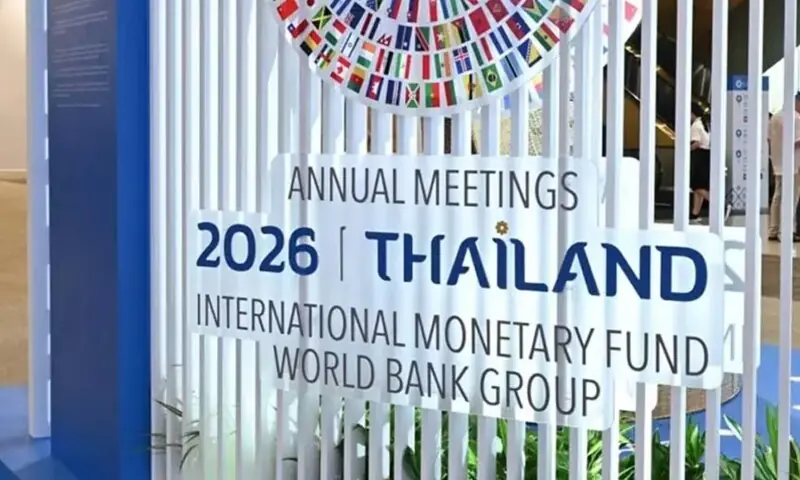
Speaking to AFP on Saturday on the sidelines of the International Monetary Fund (IMF) and World Bank Annual Meetings in Bangkok, the finance minister outlined Islamabad’s response to the international market disruptions triggered by the US-Israeli conflict with Iran.
Managing the Initial Energy Shock
Aurangzeb stated that Pakistan has successfully navigated the opening phase of the price surge without disruptions to domestic supplies. He confirmed that the country has already procured sufficient energy consignments to meet its national requirements through the end of November.
Authorities are now turning their attention toward securing provisions for the upcoming winter season, a period during which domestic energy consumption typically experiences a substantial increase due to household heating and utility needs.
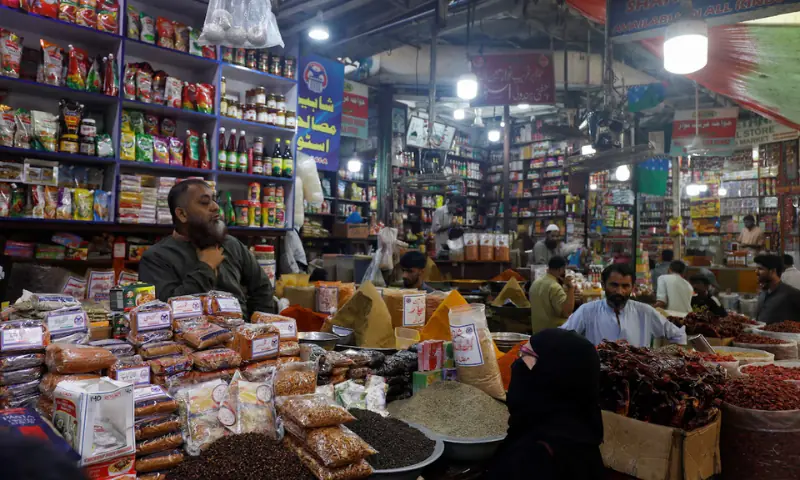
“The first-order impact has been negotiated well by Pakistan,” Aurangzeb said. “We’ve had no shortage, no queues at the gas stations, and no law and order situation, which at times we have seen in some of the countries.”
Prudent Stance on LNG Imports
Addressing Pakistan’s procurement approach amid tight international supply lines, Aurangzeb emphasized that the government is exercising financial caution regarding liquefied natural gas (LNG). He made clear that the country will steer clear of purchasing expensive spot cargoes unless confronted with an unavoidable domestic crisis.
According to the finance minister, the government will avoid entering the spot market on the LNG front unless it identifies an “absolute dire need.” Spot purchases generally command significantly higher price premiums compared to volumes secured under previously finalized, long-term supply contracts.
Escalating Regional Tensions
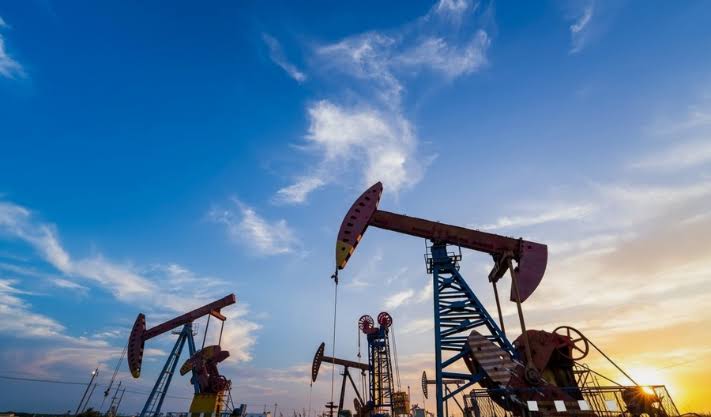
Global energy markets have experienced elevated volatility since February, when the United States and Israel launched a war against Iran. The ensuing conflict led to sharp price increases across international markets as retaliatory actions from Tehran impacted Washington’s Gulf partners and curtailed regional oil and gas outflows.
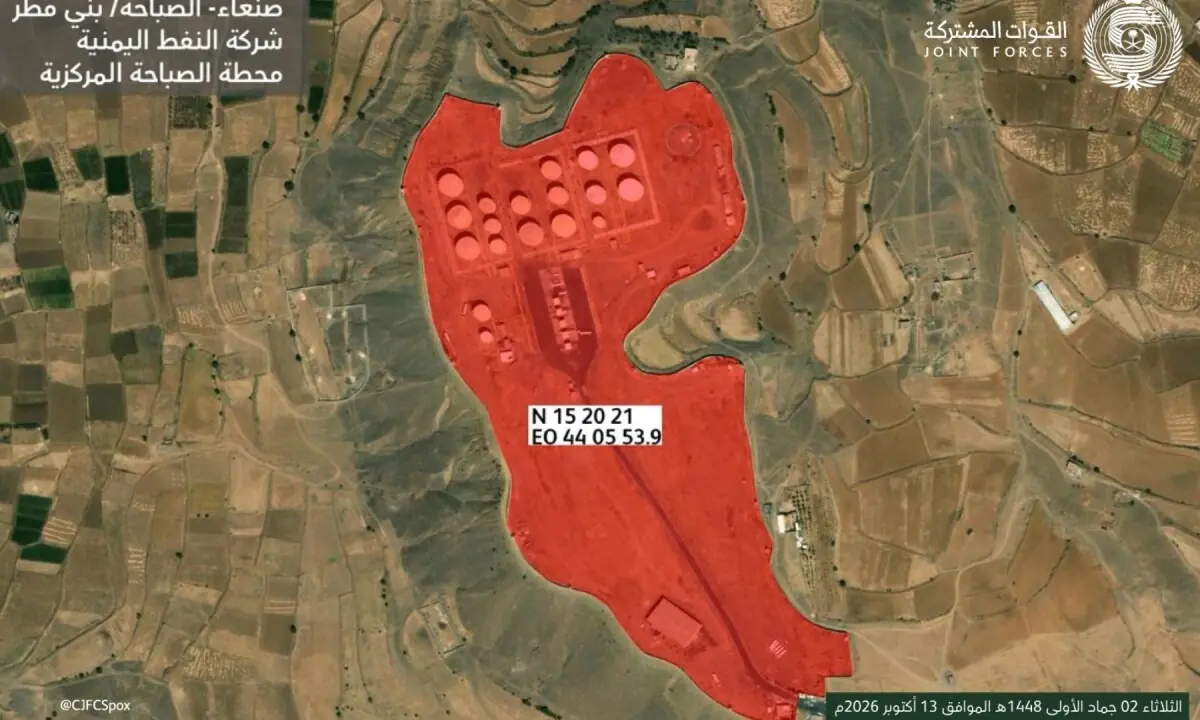
The security situation has further deteriorated with renewed hostilities tied to Yemen’s civil conflict. In recent days, Houthi forces have staged multiple strikes against infrastructure inside Saudi Arabia, targeting vital energy installations and international airports.
Aurangzeb expressed grave concern over the continuing cycle of escalation, stressing that sustained physical damage to strategic energy and transport facilities across the Gulf region threatens to disrupt supply chains further and delay an eventual return to global economic normalcy.