

Energy-rich Middle Eastern economies are unlikely to return to their pre-war growth trajectory in the medium term, despite expectations of an eventual recovery, the International Monetary Fund has warned.
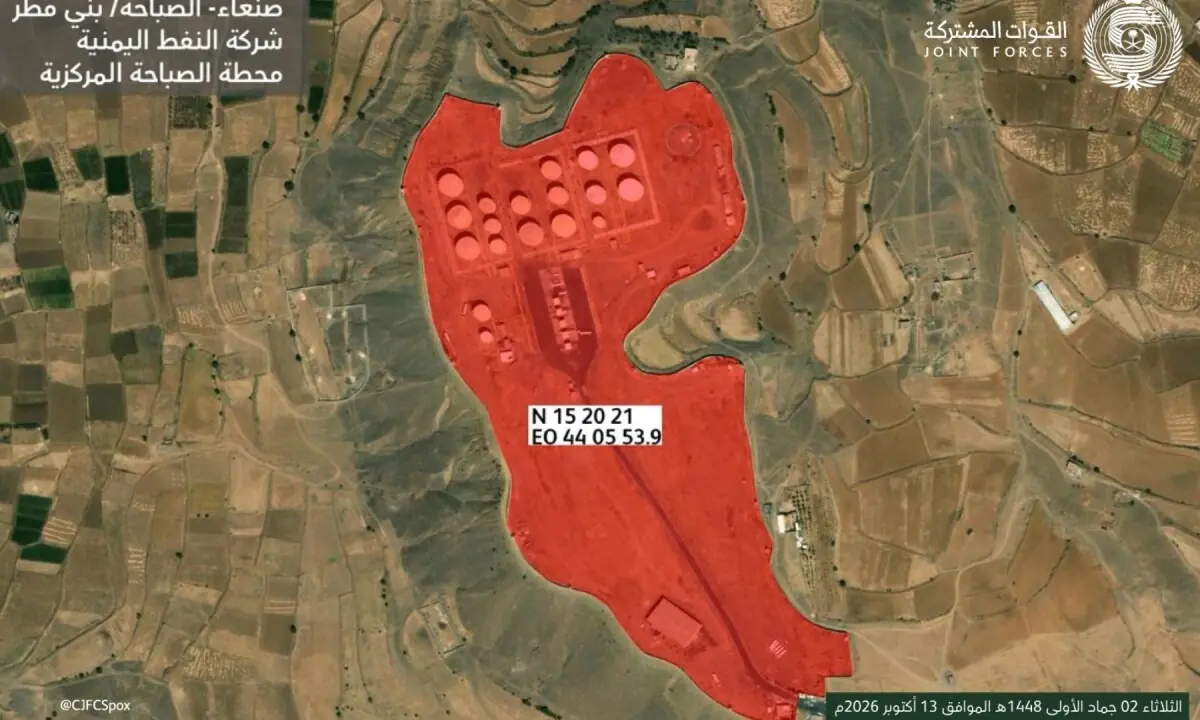
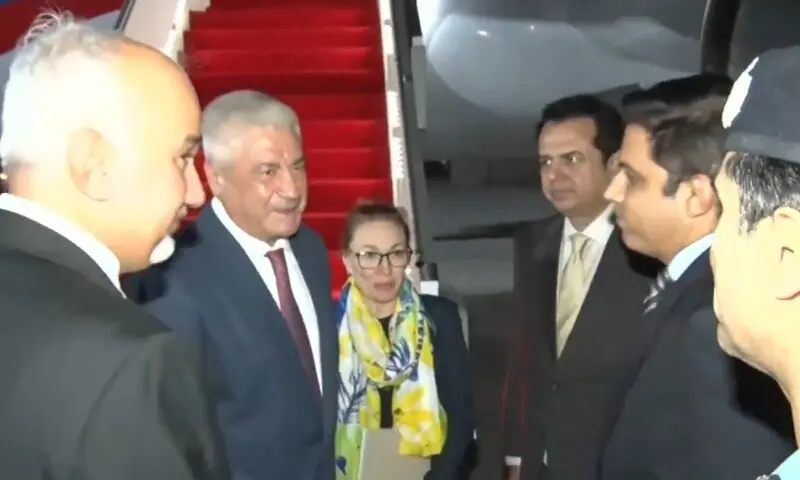
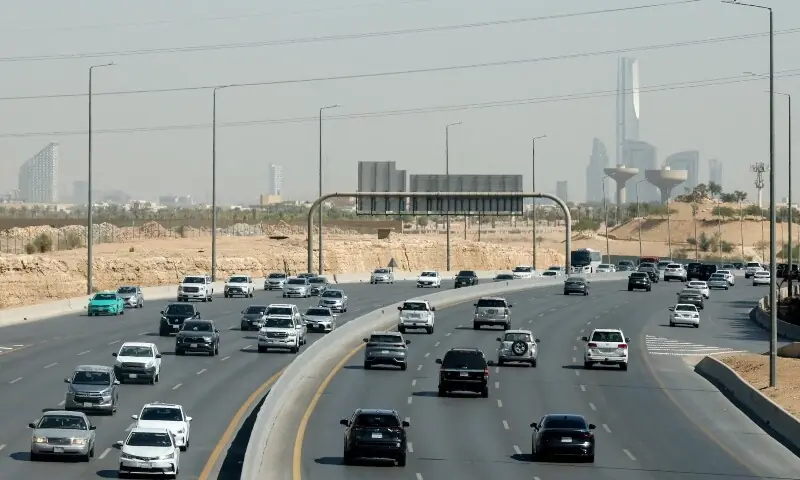
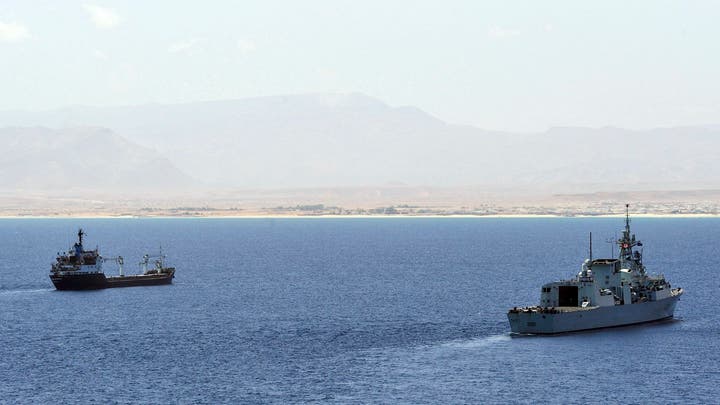
Speaking on Thursday, IMF Regional Director Jihad Azour outlined a challenging economic horizon for the region as fighting continues between Saudi Arabia and Yemen’s Houthis. The assessment coincides with new projections from the lender detailing a widespread contraction across Gulf economies following months of armed conflict that originated in Iran before spreading to Saudi Arabia and Yemen, leaving vital maritime energy traffic impacted.
Lasting Impact on Infrastructure and Growth
Addressing the economic fallout, Azour explained that the ongoing conflict would leave enduring structural damage across regional markets. He noted that the region will not return to its pre-war trajectory over the medium term because the shock will have a scarring impact on multiple sectors, disrupt critical infrastructure, and require substantial additional spending to reinforce economic resilience.
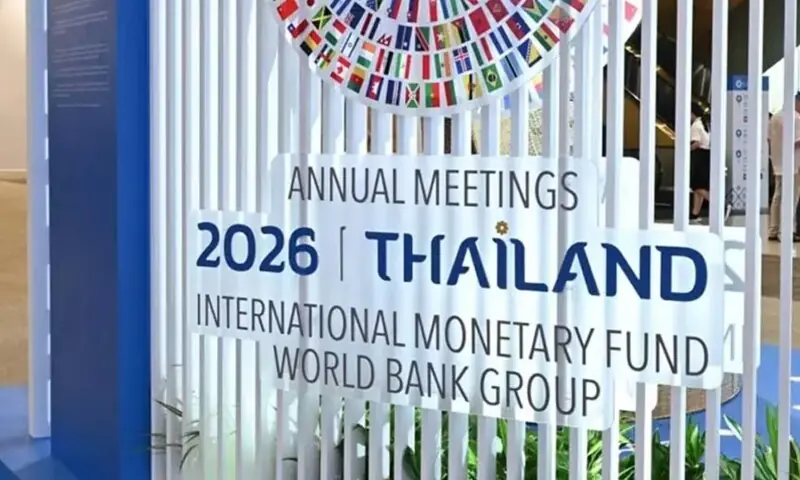
The IMF’s regional warnings emerged as international officials and economic analysts gathered in Bangkok this week to evaluate significant headwinds confronting the international economy. Key discussions at the Bangkok meetings focused on persistent pressures, including stubbornly high energy costs and unresolved questions over the long-term sustainability of the artificial intelligence boom.
Severe Contraction Projected for Regional Powers
The regional assessment follows detailed economic forecasts published by the Washington-based lender on Tuesday. According to the IMF projections, the broader Middle East and Central Asia region, which faces direct exposure to the Iran war, is expected to contract by 0.3 per cent in 2026.
Saudi Arabia is among the nations facing the most severe economic fallout. The IMF projects that the kingdom’s economy will shrink by 3.3 per cent. The forecast points to an uncommon recession for the Gulf state, which has historically relied on robust energy exports to shield its domestic economy from sustained downturns.
The compounding regional instability has drawn urgent warnings from the fund’s top leadership. On Wednesday, IMF Managing Director Kristalina Georgieva cautioned that ongoing attacks targeting Saudi Arabia risk spilling beyond regional borders, warning that the disruption could affect people globally.