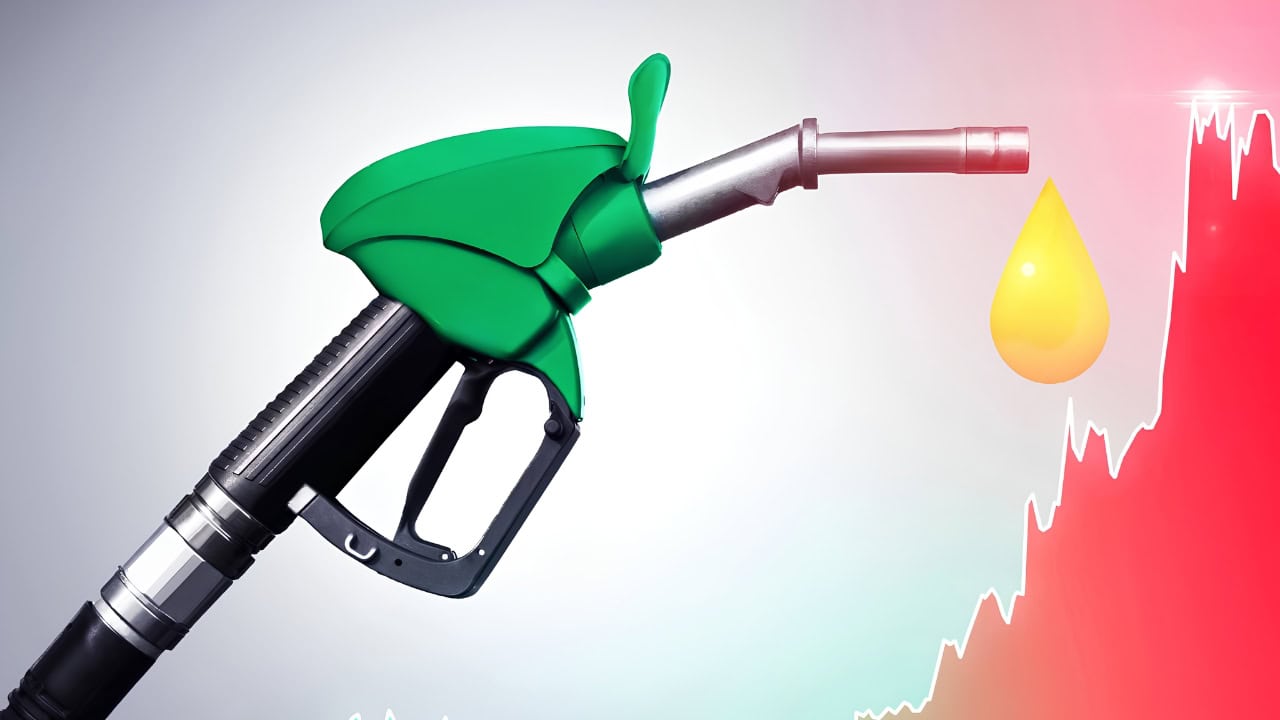

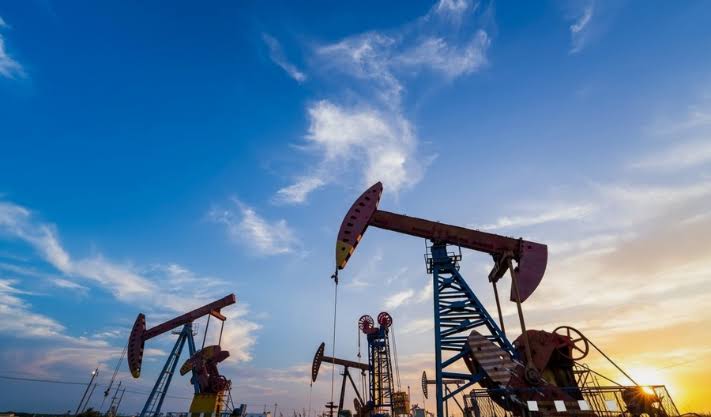
Pakistan is examining the potential import of crude oil from Libya as part of ongoing efforts to diversify external energy supplies and shield the domestic economy from sudden shocks in the global energy market.
Bilateral Talks at the International Energy Forum
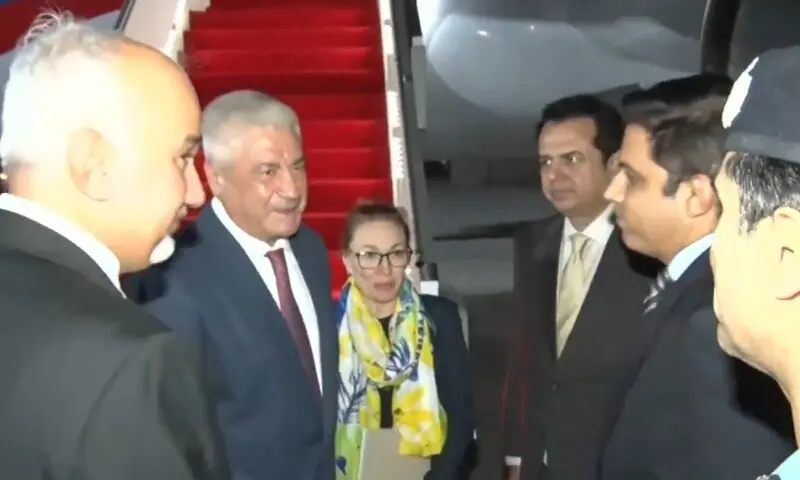
The proposal was taken up by Federal Minister for Petroleum Ali Pervaiz Malik on the sidelines of the 17th International Energy Forum ministerial meeting held in Riyadh, Saudi Arabia.
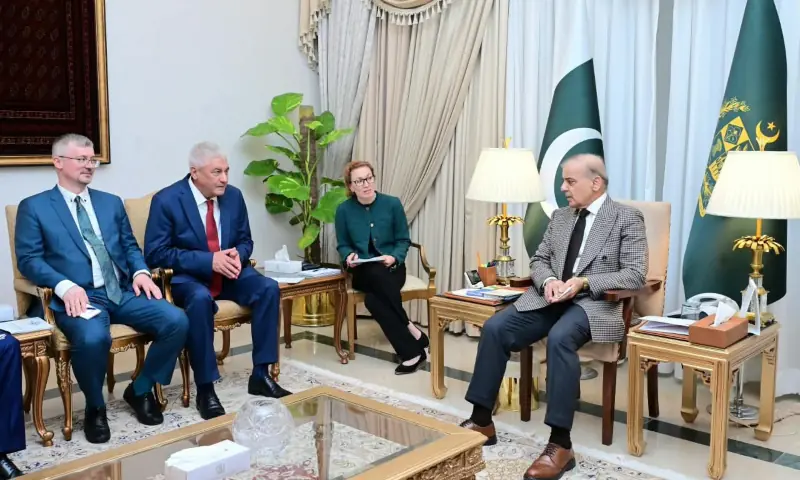
During the forum, Malik held formal bilateral discussions with Libya’s Minister of Oil and Gas, Khalifa Rajab Abdulsadek. The talks centered on exploring direct petroleum cooperation between the two countries, identifying alternative supply routes, and examining potential partnerships for the modernisation of Pakistani oil refineries.
Officials view the diversification of crude oil suppliers as a necessary step to broaden Pakistan’s fuel procurement channels. Broadening the base of supplier nations aims to reduce reliance on a narrow corridor of traditional energy exporters, offering additional supply flexibility during intervals of international market volatility and supply disruptions.
Expanding Regional Energy Engagements
Alongside discussions with Libyan officials, Malik held bilateral talks with the energy minister of Qatar to evaluate opportunities for expanded cooperation in the liquefied natural gas sector. LNG continues to represent a vital pillar of Pakistan’s broader energy basket, sustaining critical operations in thermal power generation and meeting fuel demand across the country’s industrial sector.
Complementing its international import diplomacy, Pakistan is also moving to advance domestic upstream exploration. Türkiye is scheduled to dispatch a specialized seismic survey vessel to Pakistan next month. The vessel will conduct exploration activities across the Indus Basin to map subsurface geological formations capable of holding commercially viable oil and natural gas reserves.
Domestic Reforms and Strategic Reserves
The parallel initiatives align with Islamabad’s wider policy agenda to strengthen overall energy security. Alongside exploring alternative import arrangements, authorities are pursuing the establishment of strategic fuel reserves, working to boost domestic exploration and output, and carrying out structural reforms across the energy supply chain.
Authorities have indicated that further advancements will hinge upon the conclusion of formal talks with prospective suppliers, the findings of upcoming seismic surveys in the Indus Basin, and the steady execution of planned sectoral reforms.