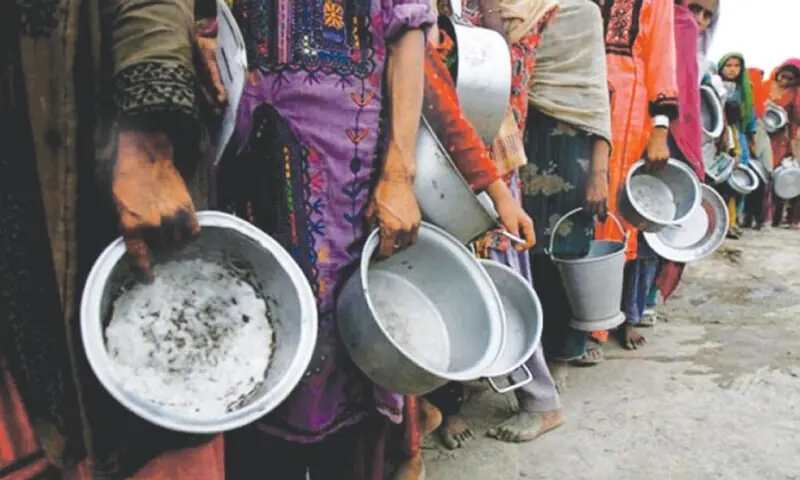

Pakistan is among the ten countries bearing the heaviest burden of the worsening global hunger crisis, driven by climate-induced disasters, severe economic distress, population displacement, and declining humanitarian funding, according to a recent assessment by the international humanitarian organisation Action Against Hunger.
The findings, detailed in the organisation’s report titled ‘Ten Largest Global Food Crises’ and issued in connection with World Food Day, caution that approximately 10.6 million people across Pakistan will need humanitarian assistance in 2026. This warning comes even as the country undertakes continuous recovery initiatives and registers marginal improvements across select macroeconomic indicators.
Global Concentration of Acute Food Insecurity
On an international scale, roughly 177 million people reside in the ten nations where acute hunger is most acutely concentrated. The report highlights that acute hunger has doubled over the past decade, now impacting an estimated 266 million people spanning 47 nations globally.
Alongside Pakistan, the countries confronting the world’s most severe food emergencies include Nigeria, the Democratic Republic of the Congo, Sudan, Yemen, Afghanistan, Myanmar, Bangladesh, South Sudan, and Syria.
Economic Strain and Eroding Purchasing Power
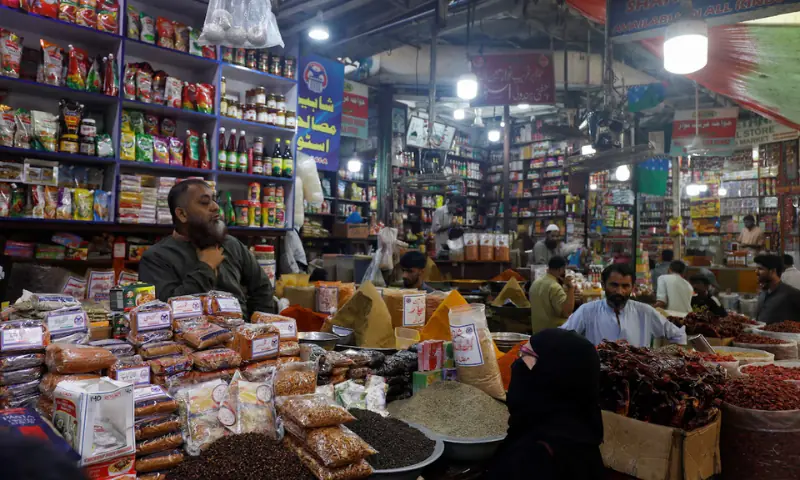
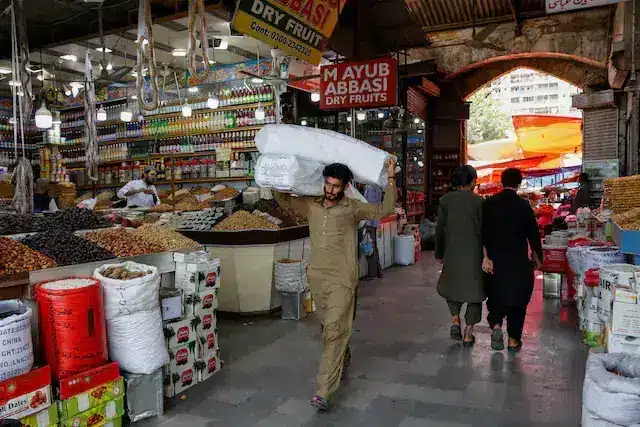
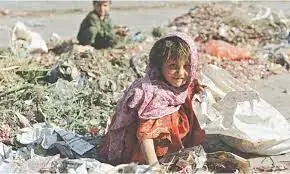
Within Pakistan, food insecurity remains entrenched due to chronic poverty, sustained food inflation, increasing living expenses, scarce job openings, and diminishing household earnings, all of which continue to erode the purchasing capacity of ordinary families.
These domestic difficulties are further compounded by unfavourable pricing conditions in the agricultural sector and persistent broader economic instability, both of which have severely weakened livelihoods and left millions of people struggling to secure sufficient food. With humanitarian demands continually outpacing available financing and resources, vulnerable families face mounting hurdles in sustaining their basic nutritional needs.