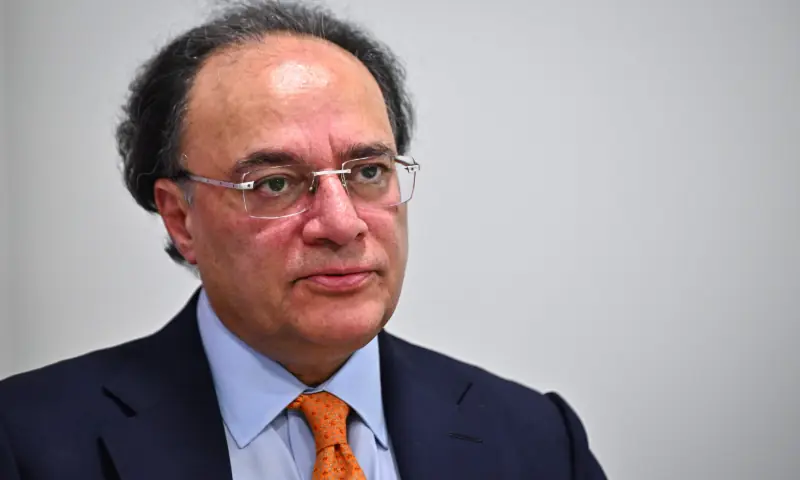


The government of Pakistan is preparing to divest five to six state-backed entities in an effort to generate upwards of $1 billion, Finance Minister Muhammad Aurangzeb confirmed on Monday. The divestment initiative coincides with an official projection that national economic growth will cross four per cent during the current fiscal year despite the challenge posed by elevated international oil prices.
Growth Outlook and Energy Supplies
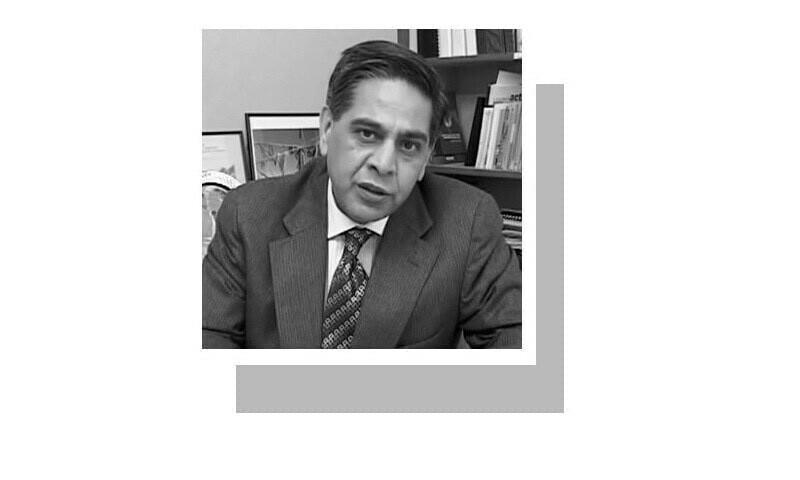
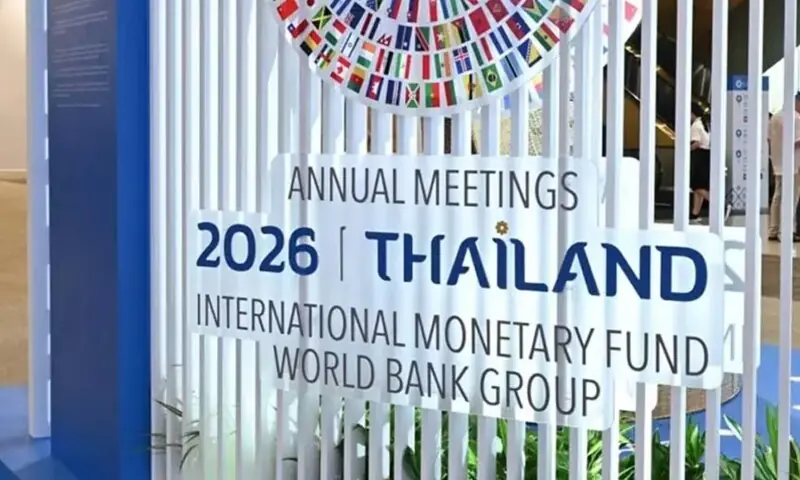
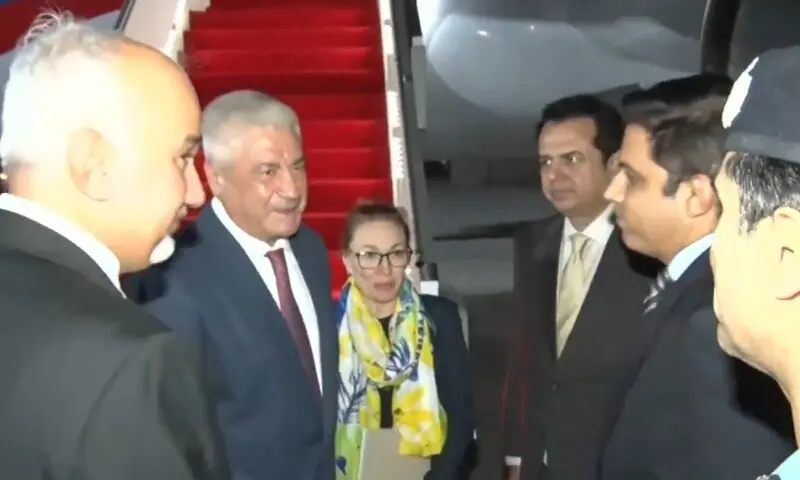
Speaking in Bangkok on the sidelines of the annual meetings of the International Monetary Fund and the World Bank, Aurangzeb maintained an optimistic view regarding the country’s macroeconomic trajectory. Addressing the performance of key productive areas, the finance minister affirmed that core components of the economy are demonstrating resilience.
“So I’m still quite clear that we should clock north of 4pc,” Aurangzeb said during an interview. He noted that critical pillars of the real economy, notably agriculture, are holding up, while the country has successfully procured sufficient volumes of fuel to prevent domestic energy shortages.
Inflation Monitoring and External Vulnerabilities
Despite steady growth expectations, economic managers are keeping a close watch on potential domestic price spikes driven by external commodity markets. “And on the inflation side, obviously, we are keeping a very close eye because it does have a knock-on impact in terms of the commodity prices,” Aurangzeb remarked.
The domestic economic landscape remains acutely vulnerable to developments in the Middle East, particularly the risks associated with a protracted regional conflict. Pakistan depends heavily on the Gulf corridor for imported energy, remittances sent by overseas workers, and bilateral financial backing. At the same time, the state remains reliant on external funding streams to sustain foreign exchange reserves and service scheduled sovereign debt obligations.
Privatisation Agenda and the IMF Framework
The upcoming push to raise upwards of $1 billion across multiple state entities follows the privatisation process initiated for national flag carrier Pakistan International Airlines. The privatisation drive represents a core component of structural fiscal reforms designed to stabilise public finances.
Pakistan’s cash-strapped economy has gradually regained its footing following a prolonged period of acute financial instability that was further aggravated by the Covid-19 pandemic. This stabilisation effort is anchored by a $7 billion, 37-month Extended Fund Facility secured with the International Monetary Fund in 2024, an arrangement requiring rigorous policy reforms that include expanding the tax net to cover agricultural income.