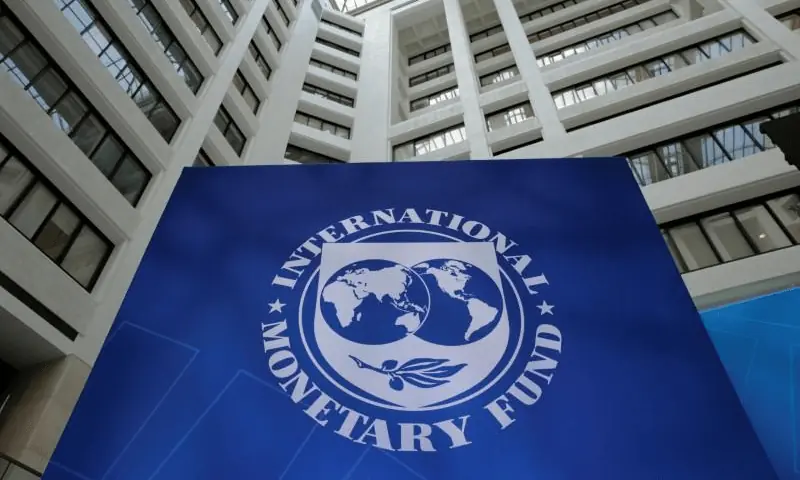

ISLAMABAD — The International Monetary Fund has emphasized that Pakistan needs to broaden its fiscal policy horizons beyond merely meeting primary balance targets and maintaining debt sustainability, urging policymakers to focus on reinforcing credibility, supporting long-term growth, and generating room for vital public investment.
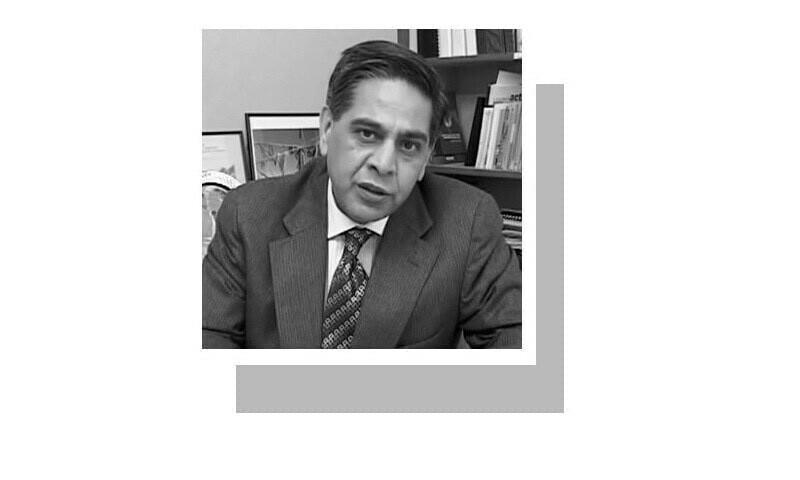
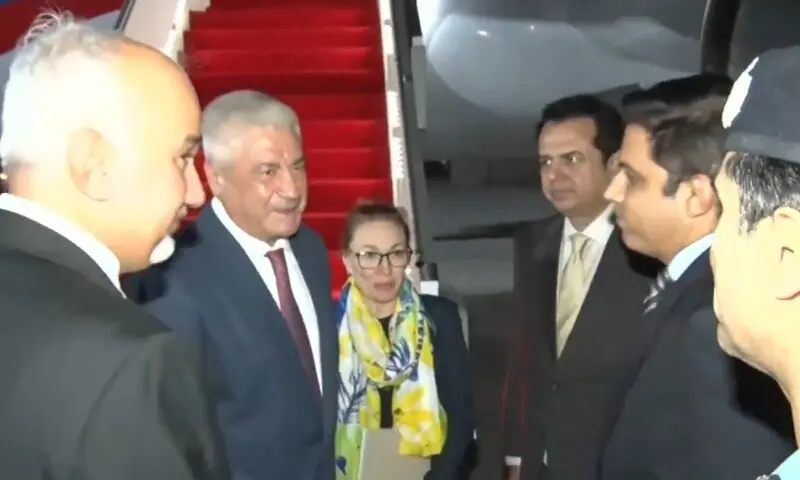
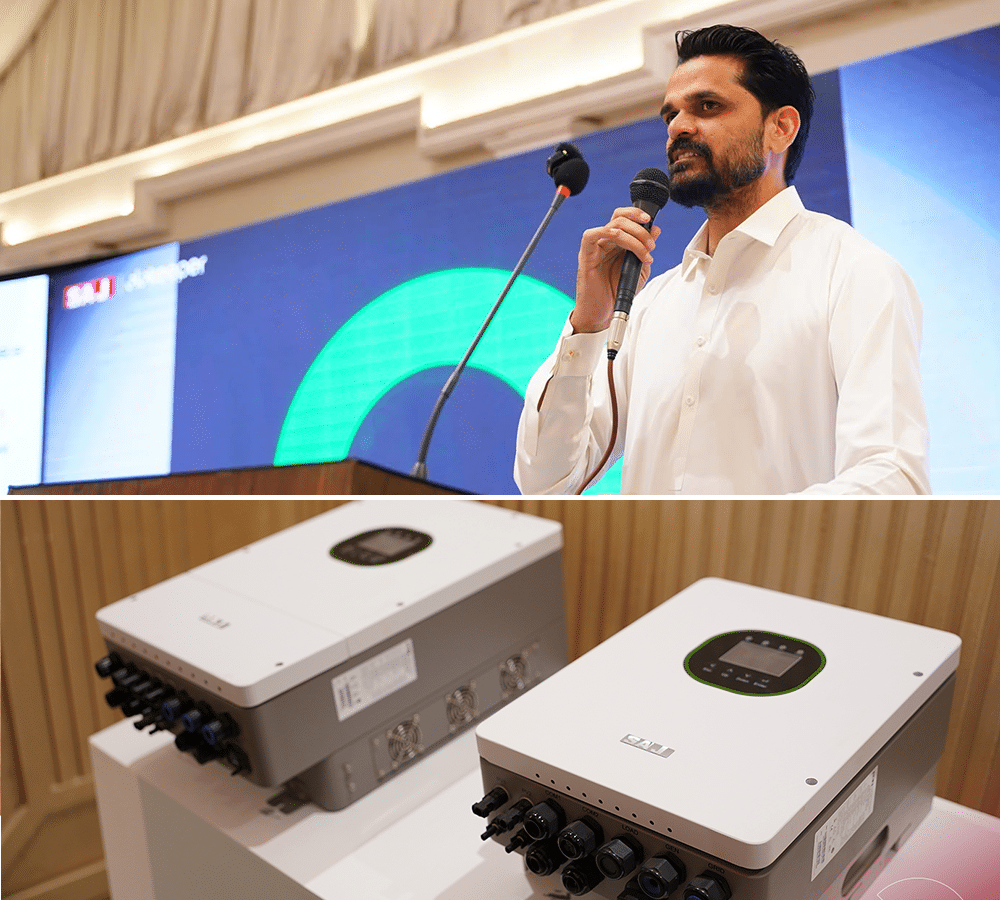
Speaking at a workshop titled “Reforms for a Modern and Growth-Friendly Tax System in Pakistan,” Jihad Azour, Director of the IMF’s Middle East and Central Asia Department, stated that modernizing the country’s taxation architecture remains critical to its overarching economic agenda and sits at the very heart of the ongoing Extended Fund Facility program.
Expanding Space for Social Spending and Public Investment
Addressing delegates at the event, which was jointly organized by the Ministry of Finance and Revenue and the IMF, Azour stressed that fiscal policy must actively foster economic recovery. While acknowledging that safeguarding debt sustainability and achieving primary surplus targets remain foundational, he underscored that fiscal management must also aim higher by creating viable space for public investment and targeted social spending.
According to the IMF official, sustainable long-term economic expansion requires policy actions that enhance overall policy credibility. Stabilisation gains should be leveraged to lay down an economic environment capable of withstanding broader challenges while protecting the most vulnerable segments of society through sustained social support.
Capitalising on Stabilisation and Macroeconomic Gains
Azour noted that Pakistan has achieved meaningful progress toward establishing macroeconomic stability, rebuilding broader market confidence, shoring up external buffers, and facilitating a gradual turnaround in economic activity despite a prolonged period marked by uncertainty and external shocks.
However, the fund cautioned that these hard-won stabilisation gains must not lead to complacency. Instead, the IMF official highlighted that the current period of relative stability presents a strategic opportunity that must be solidified through deep structural changes, with transformative tax reform serving as the centerpiece of this economic modernization drive.
Building a Fairer and More Predictable Tax Framework
In his address, Azour outlined the contours of a growth-friendly revenue mechanism, urging Pakistani authorities to design a stronger, fairer, and broader tax system. A modernized revenue framework, he explained, must also ensure predictability for market participants.
The IMF stressed that removing economic distortions remains essential to unlocking national potential. A well-designed, predictable revenue structure is viewed as critical to supporting overall fiscal sustainability while dismantling structural distortions that currently constrain private sector investment and depress productivity across key sectors.
Finance Ministry Highlights Two-Year Milestones
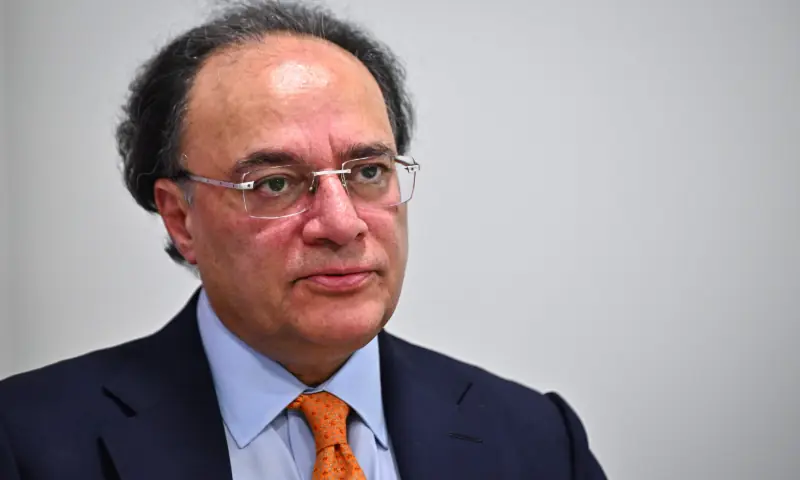
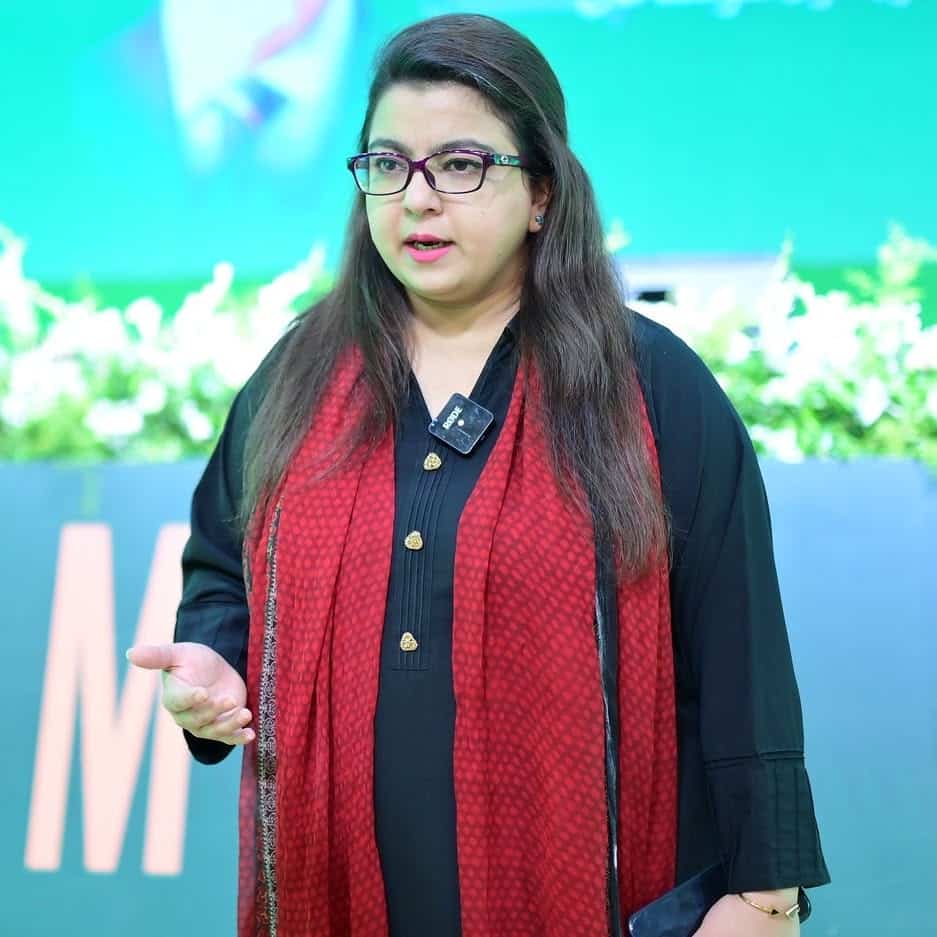
Federal Minister for Finance and Revenue Muhammad Aurangzeb also addressed the workshop, highlighting the economic milestones and stabilization measures achieved over the past two years.
The collaborative workshop brought together key economic managers and multilateral experts to align ongoing domestic reforms with the structural benchmarks established under Pakistan’s Extended Fund Facility, with both sides highlighting taxation overhauls as indispensable to the nation’s medium- and long-term recovery.