

A pair of suspected murder-suicides in Karachi has intensified calls from mental health professionals to address the severe psychiatric, psychological, and financial pressures confronting families pushed to the brink.
Tragic Incidents in Ahsanabad and Gulshan-i-Hadeed
In September, authorities discovered the decomposed bodies of a doctor, his wife, and their three daughters inside a locked apartment located in the Ahsanabad area. More recently, five members of another family were found dead inside a locked residential portion in Gulshan-i-Hadeed. While police investigations into both cases remain ongoing, law enforcement authorities are currently handling each incident as a suspected murder-suicide, in which parents allegedly killed their children and a household member before taking their own lives.
The recurrent nature of such events has raised profound concerns among observers and clinicians alike, particularly regarding how one partner might persuade another to engage in a joint suicide pact involving the deaths of their own dependents.
The Psychology Behind Extreme Actions
Mental health experts analyzing these events point to the complex mechanisms through which an altered or diseased mind perceives reality. Under acute psychological distress, individuals may rationalise catastrophic decisions as a form of escape from perceived inescapable torment.
Clinicians emphasise that extreme acts are rarely isolated from environmental factors. The convergence of mounting socio-economic distress, escalating unemployment, and deep-seated despair creates an environment in which vulnerable individuals can experience severe anguish. Compounding the situation is a chronic shortage of accessible crisis support systems capable of intervening before individuals reach a state of total hopelessness.
Treatability and the Need for Intervention
Despite the severity of conditions that lead to such outcomes, mental health professionals maintain that underlying psychiatric disorders remain treatable through clinical intervention, including structured therapy and appropriate medication.
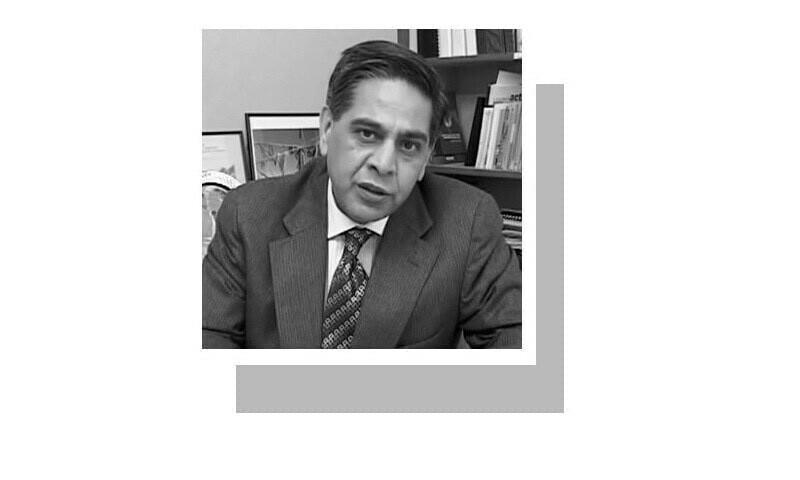
Senior psychiatrist retired Brigadier Dr Shoaib Ahmed, Executive Director of the Dr Abdul Qadeer Khan Institute of Behavioural Sciences at Dow University of Health Sciences, is among the specialists examining the systemic psychiatric and social drivers behind these crises. Experts reiterate that establishing functional crisis networks and destigmatising mental healthcare remain crucial steps in preventing further tragedies.