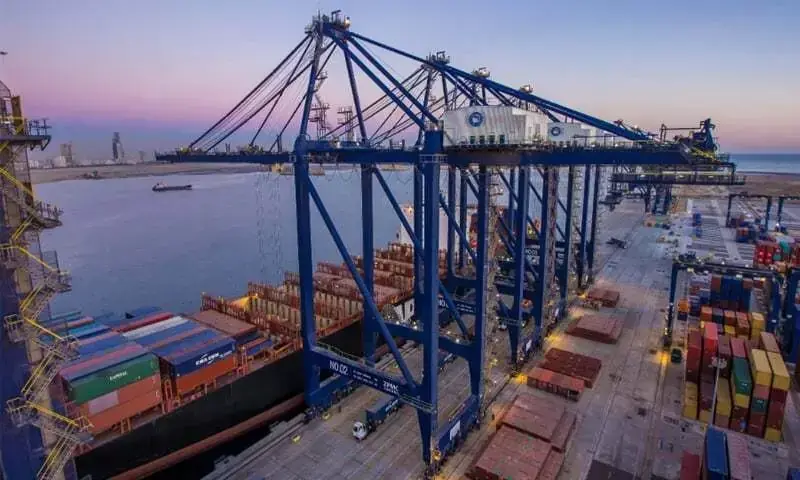


Pakistan has set a target to expand its exports to $100 billion by 2035 as part of a broader strategy to decrease its reliance on foreign loans and foster macroeconomic resilience.
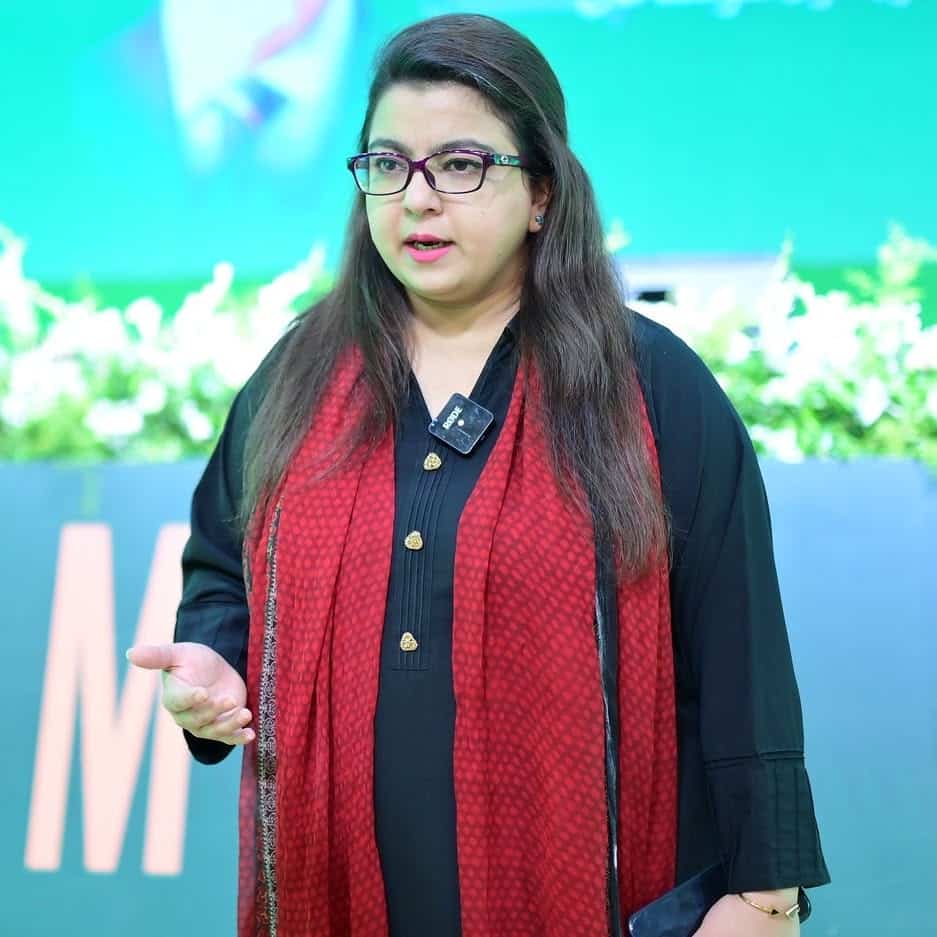
Federal Minister for Planning, Development, and Special Initiatives Ahsan Iqbal announced the benchmark while addressing the 39th International Conference of the Pakistan Society of Development Economists in Islamabad. The two-day conference, held on October 14 and 15, brought together economists and policymakers to deliberate on strategies for establishing a resilient, export-driven economic framework.
Pivoting from Consumption to Production
In his address, Iqbal underlined the need for a structural transition in the national economic model. He pointed out that the country must shift away from an economy primarily driven by domestic consumption and focus on the production of goods and services destined for global markets.
According to the planning minister, achieving the $100 billion milestone will depend on specific fundamentals, including elevating domestic productivity, ensuring superior product quality, attracting sustained investment, and enacting long-term economic policies that align with global trade demands.
The Critical Role of Policy Continuity
Addressing structural hurdles that hamper national commerce, Iqbal identified policy inconsistency as a significant obstacle. He emphasized the necessity of consistent economic direction across successive political administrations, warning that frequent shifts in government policies disrupt strategic planning for domestic enterprises and weaken their ability to compete globally.
The minister explained that building a strong export base remains vital for expanding foreign exchange receipts, which in turn would relieve pressure on the national exchequer and mitigate the necessity of recurring external borrowing.
Rethinking Industrial Protectionism
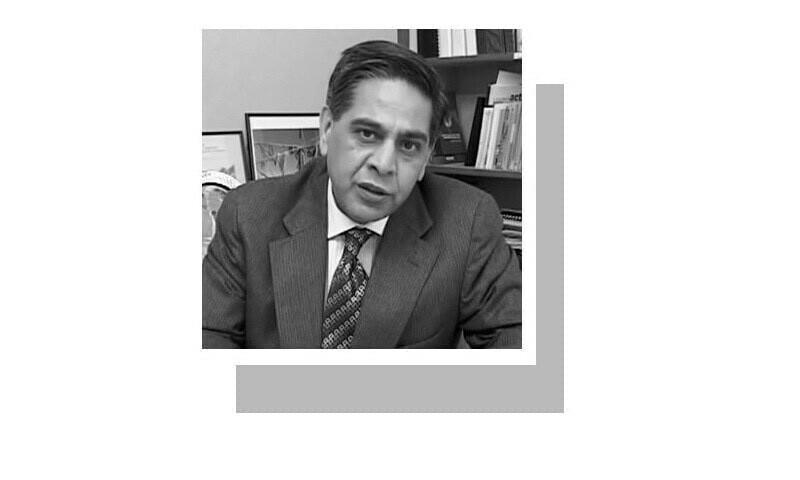
Addressing the gathering, Dr Nadeem Javaid, Vice Chancellor of the Pakistan Institute of Development Economics, drew attention to market dynamics that hinder export growth. He pointed out that prolonged protectionist policies designed to shelter domestic industries have unintentionally discouraged local firms from venturing into competitive international markets.
Dr Javaid suggested that exposing companies to greater market competition could serve as a catalyst for industrial advancement, prompting domestic producers to refine their standards, elevate quality, and adopt an export-oriented approach.