

The International Monetary Fund has projected Pakistan’s economic growth to moderate to 3.5 percent during the current fiscal year, down from the 3.6 percent expansion recorded in the previous year. According to the multilateral lender’s latest World Economic Outlook, the country’s macroeconomic landscape continues to exhibit marked vulnerabilities despite recent stabilising measures.
Growth Constraints and Demographic Pressures
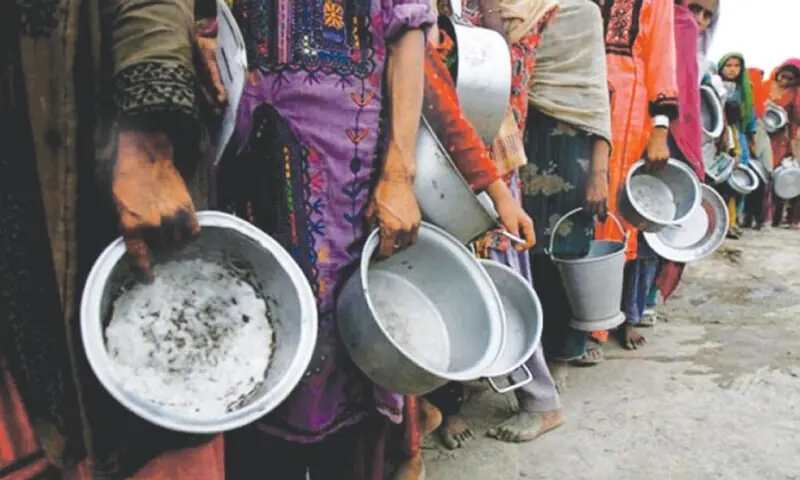
The projected deceleration in headline growth highlights persistent structural constraints within the domestic economy. For an economy contending with a rapidly expanding population, entrenched levels of poverty, and elevated unemployment, an expansion rate of 3.5 percent presents significant headwinds. Economic growth at this level is considered insufficient to generate meaningful gains in real household incomes or to reliably absorb the steady influx of new entrants entering the domestic labour market.
Resurgence of Inflationary Pressures
Price stability remains another critical area of concern highlighted in the latest assessment. The IMF expects average annual inflation to accelerate sharply to 9.9 percent over the current fiscal year, reversing the trend seen in the preceding year when headline price growth had cooled down to 7.1 percent.
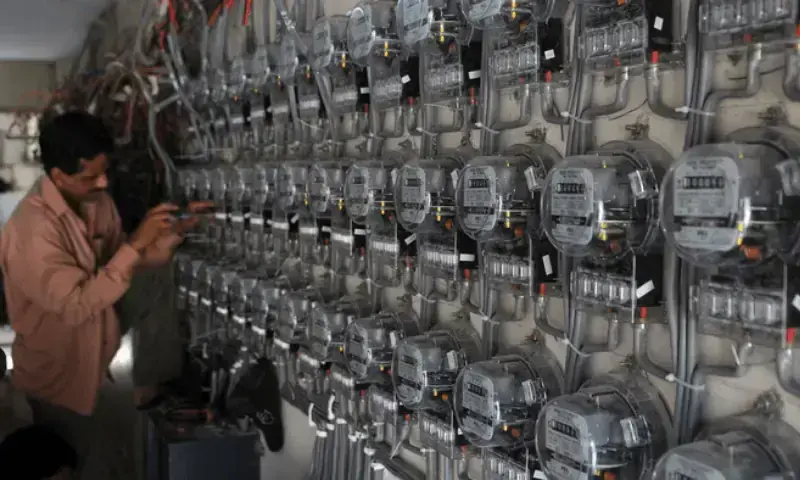
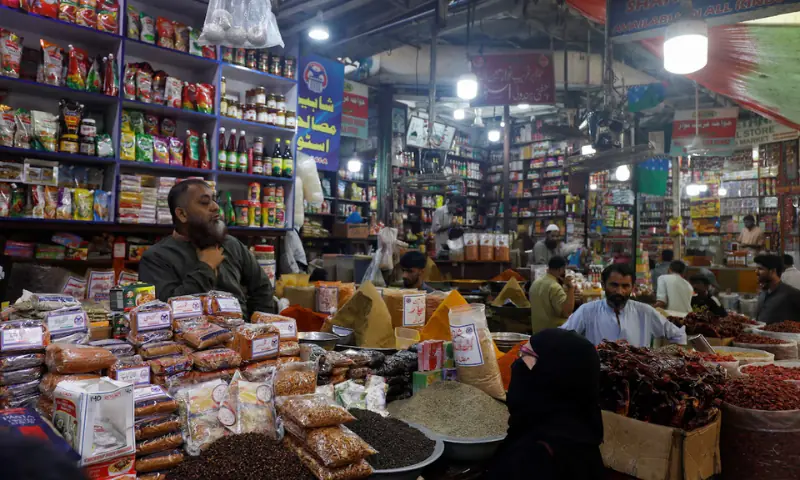
This expected rise in inflation brings renewed risks of purchasing power erosion for households across the country. Families currently navigating sustained pressures from high utility tariffs, increased taxes, and elevated expenses for essential commodities face the prospect that renewed inflationary momentum could diminish the tangible benefits achieved through recent economic stabilisation efforts.
External Account and Global Vulnerabilities
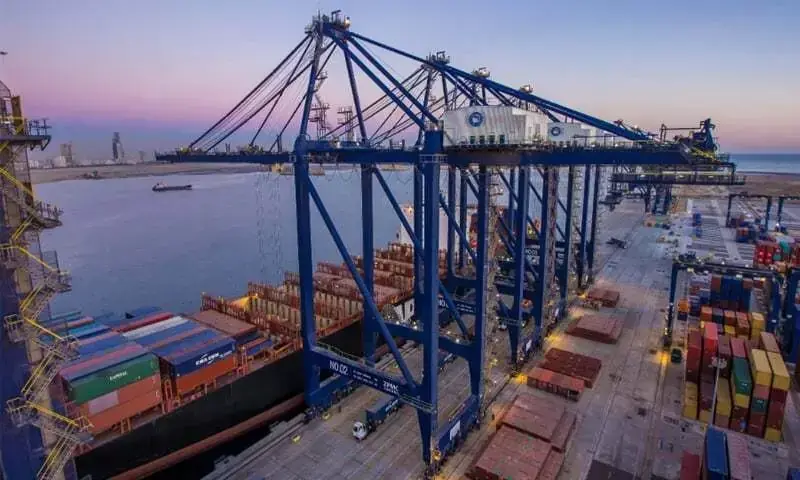
On the external front, the forecast indicates renewed strain on foreign exchange resources. The IMF projects Pakistan’s current account position to slip into a deficit of 1 percent of Gross Domestic Product. Rising international oil prices alongside international shipping disruptions are driving up the aggregate cost of imports, directly intensifying the outflow of foreign exchange.
Without a structural acceleration in export volumes and enhanced export diversification, any recovery in domestic demand risks worsening the external gap. Under these conditions, the balance of payments remains exposed to global supply-chain fluctuations and energy market volatility.
Labour Market Realities
Addressing the labour market, the IMF estimates that unemployment will contract to 6.5 percent in FY27, down from 6.9 percent in the prior year. However, analysts note that in the absence of robust, sustained underlying growth capable of generating widespread employment, such marginal numerical adjustments provide limited relief. The headline projection does not clarify whether incoming employment opportunities will offer productive, secure, or adequately remunerated positions for the workforce.