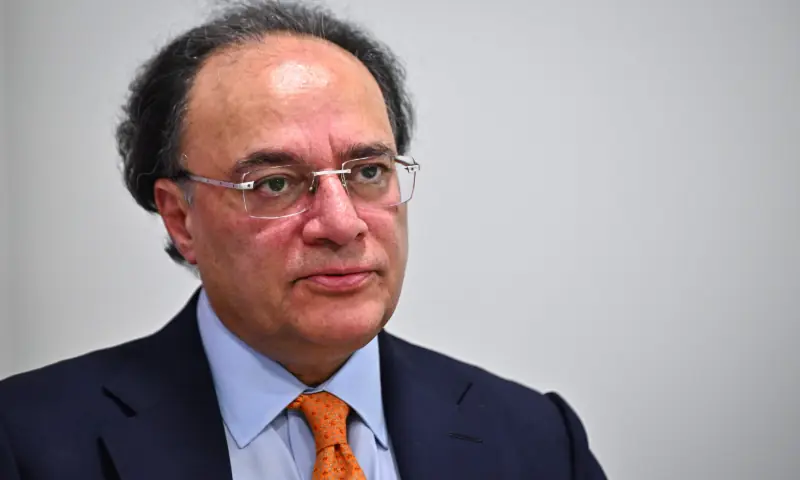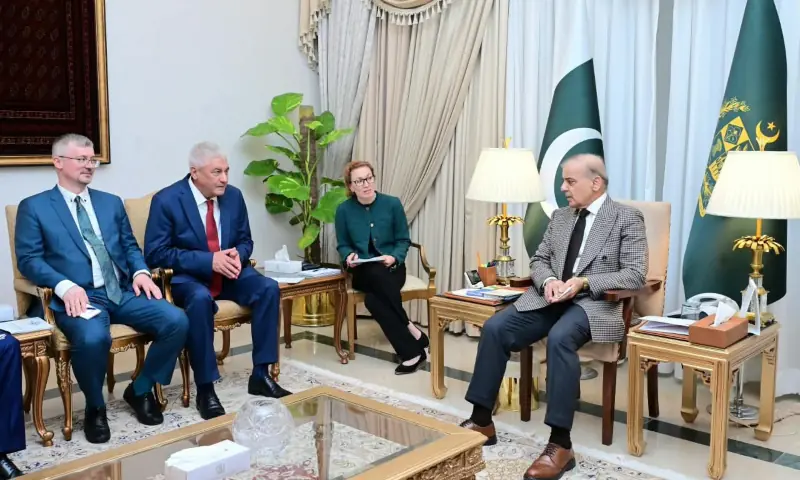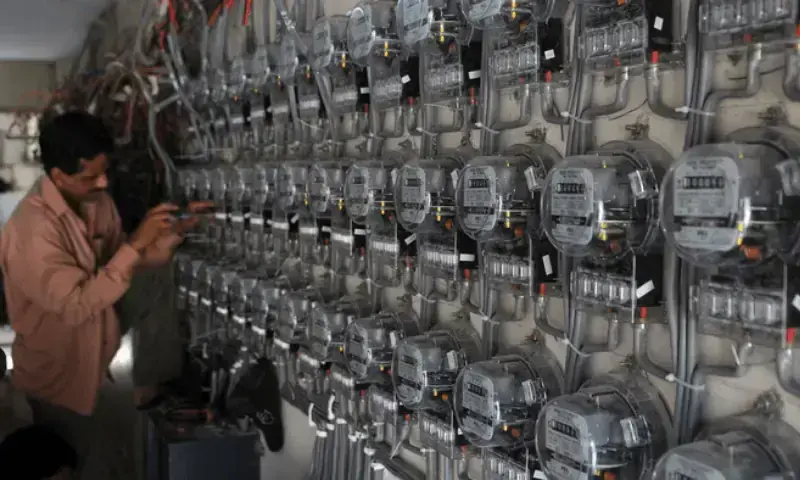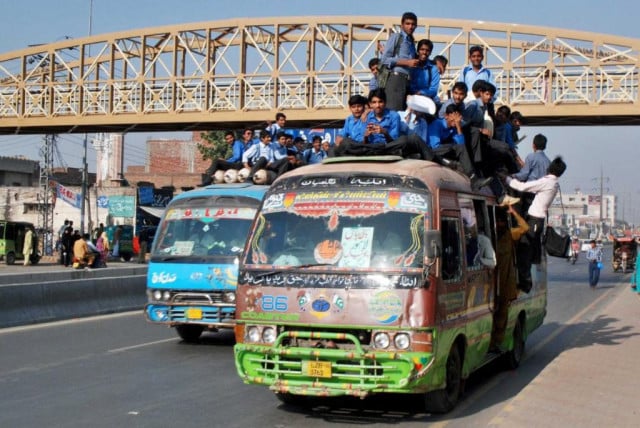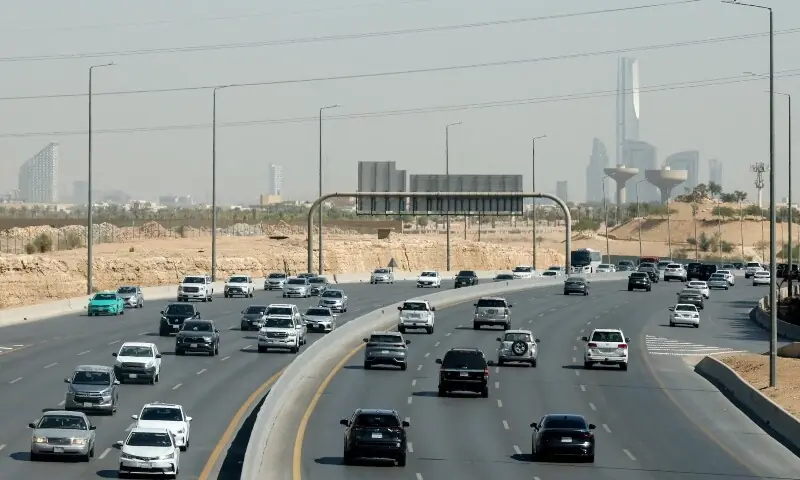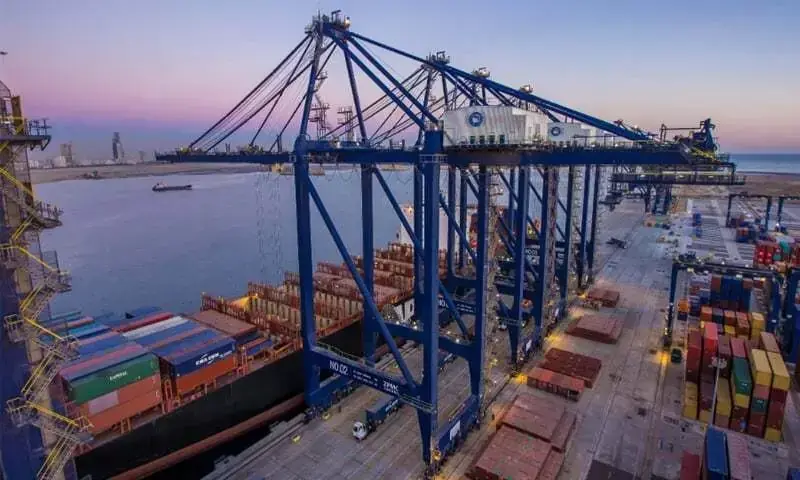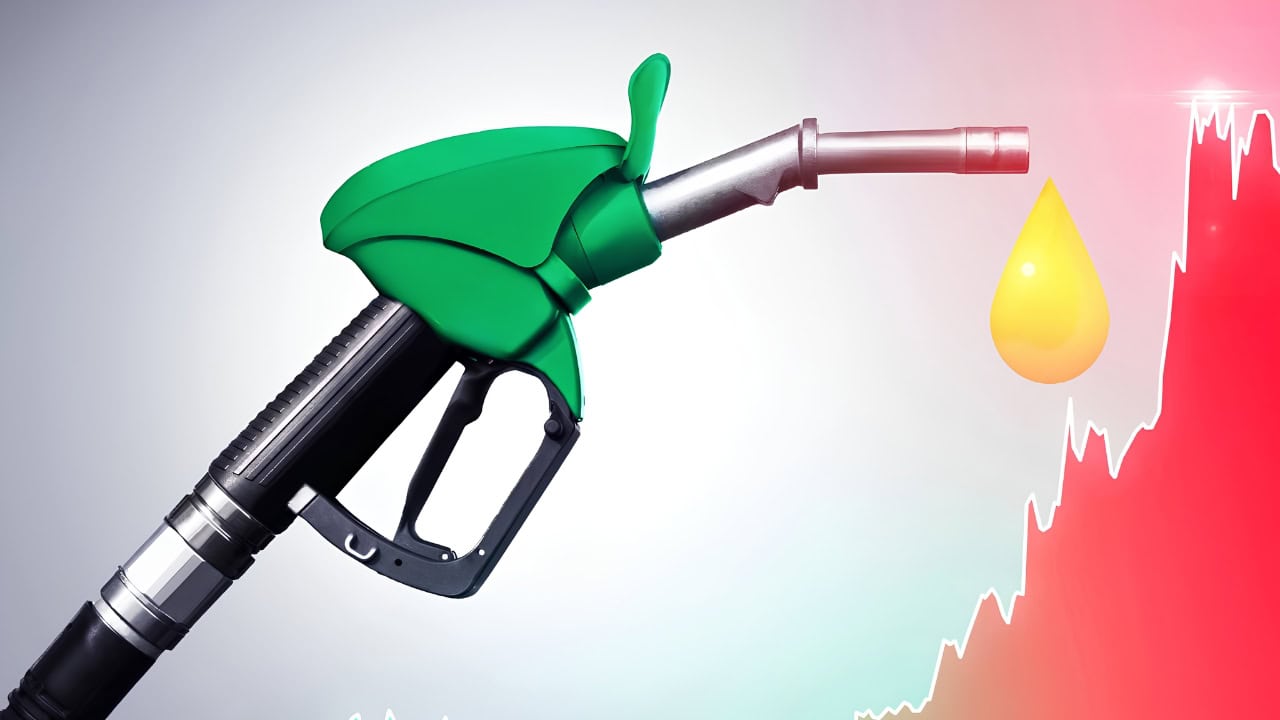


Pakistan has managed to withstand the immediate economic fallout from surging international energy prices and has secured sufficient supplies to meet domestic consumption through November, according to Finance Minister Muhammad Aurangzeb.
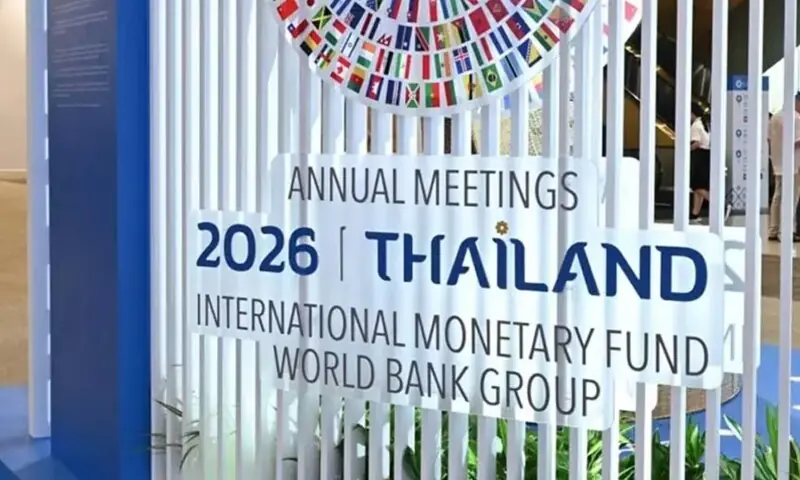
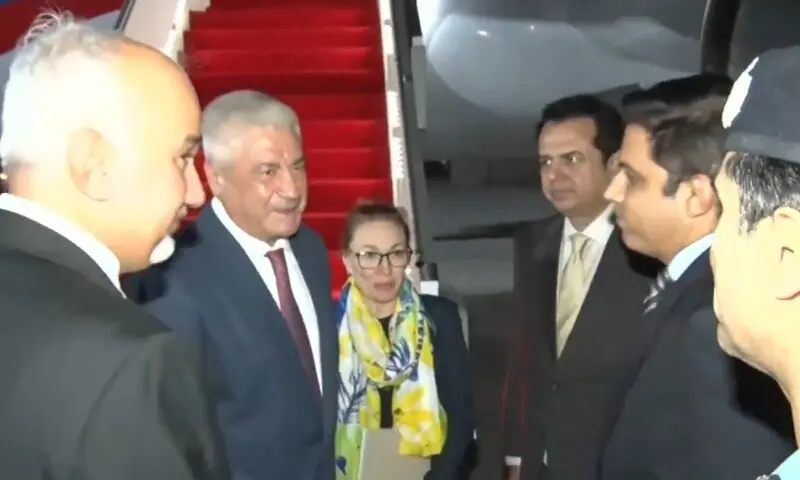
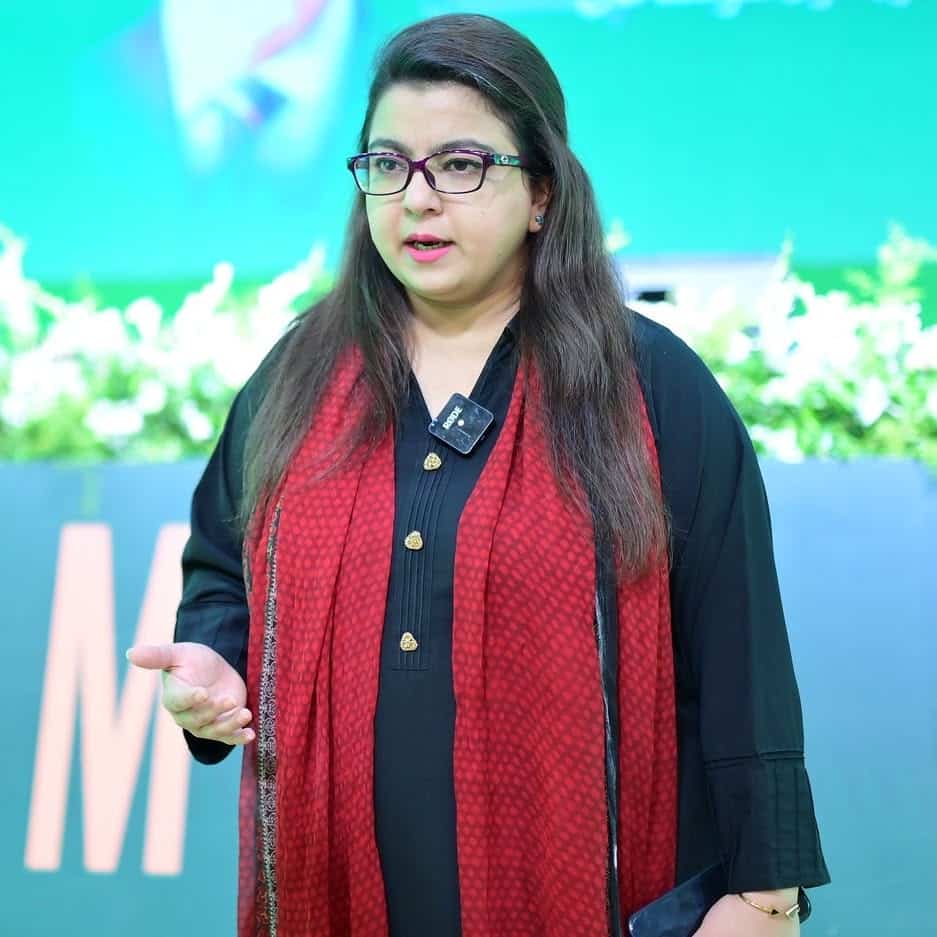
Speaking on the sidelines of the International Monetary Fund and World Bank Annual Meetings held in Bangkok, Aurangzeb stated that authorities are now shifting their operational focus toward preparing for the approaching winter season, an annual period marked by a sharp rise in household energy demand across the country.
Managing the Initial Energy Shock
Reflecting on the initial disruptions triggered by the conflict involving the United States, Israel, and Iran, Aurangzeb noted that Pakistan had navigated the immediate fallout without severe disruptions to public life or the domestic market.
“The first-order impact has been negotiated well by Pakistan,” the finance minister said. “We’ve had no shortage, no queues at the gas stations, and no law and order situation, which at times we have seen in some of the countries.”
The minister explained that Pakistan has already put in place sufficient energy supplies to sustain the nation until the end of November. Attention has now turned to formulating logistics and procurement strategies to counter the winter demand spike that routinely strains local fuel and gas networks.
Caution Over Costly LNG Spot Cargoes
Addressing fuel procurement strategies, Aurangzeb made it clear that the government is exercising significant financial caution. He indicated that Pakistan intends to avoid purchasing liquefied natural gas on the spot market unless confronted with severe domestic shortages.
Spot market cargoes traditionally command a substantial premium compared to long-term contracted shipments. Aurangzeb stated that unless authorities observe “an absolute dire need”, the administration will refrain from entering the expensive spot market for additional LNG supplies, thereby shielding foreign exchange reserves from excessive strain.
Regional Escalation and Longer-Term Risks
While near-term requirements are covered, Aurangzeb voiced serious concerns regarding regional escalations in the Middle East and their broader implications for Pakistan’s economic stability.
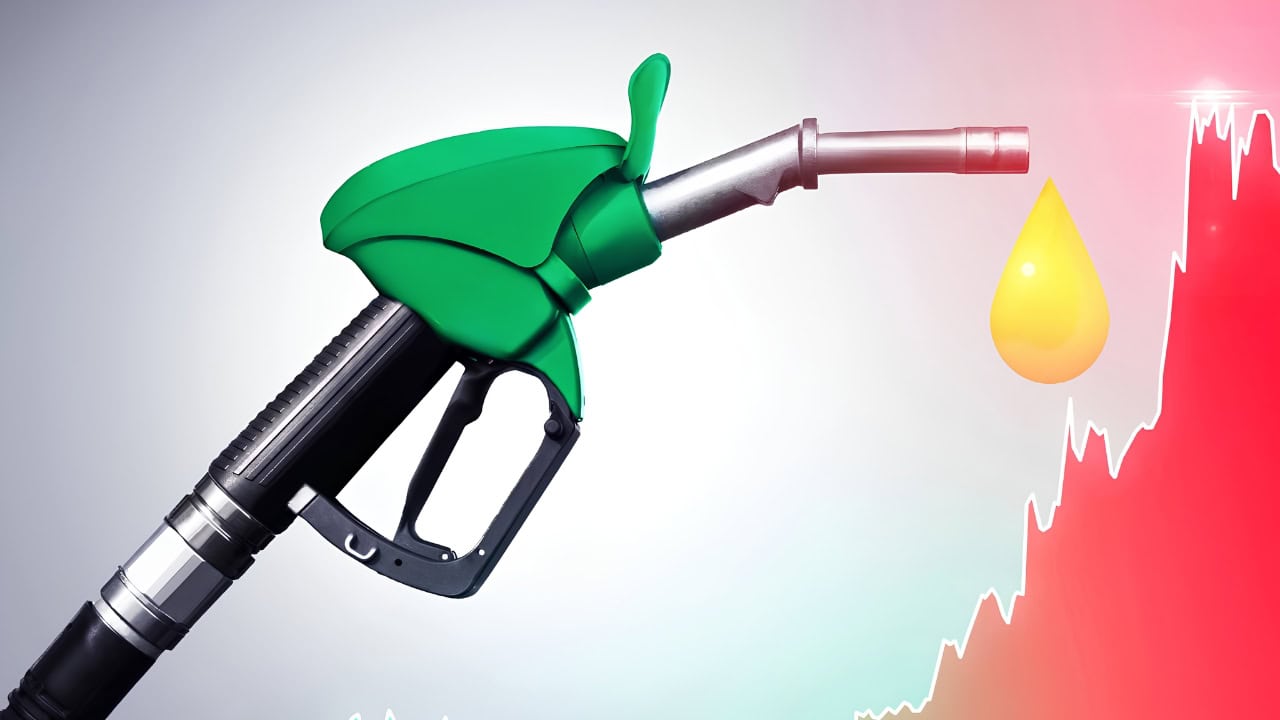
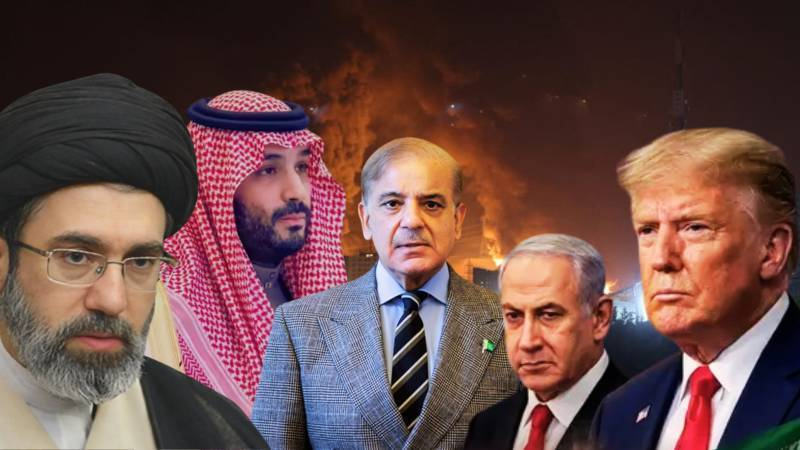
Global fuel markets have experienced heightened volatility since February, when the US and Israel initiated military actions against Iran. In response, retaliatory measures from Tehran have impacted Washington’s regional allies and disrupted oil and gas supply flows.
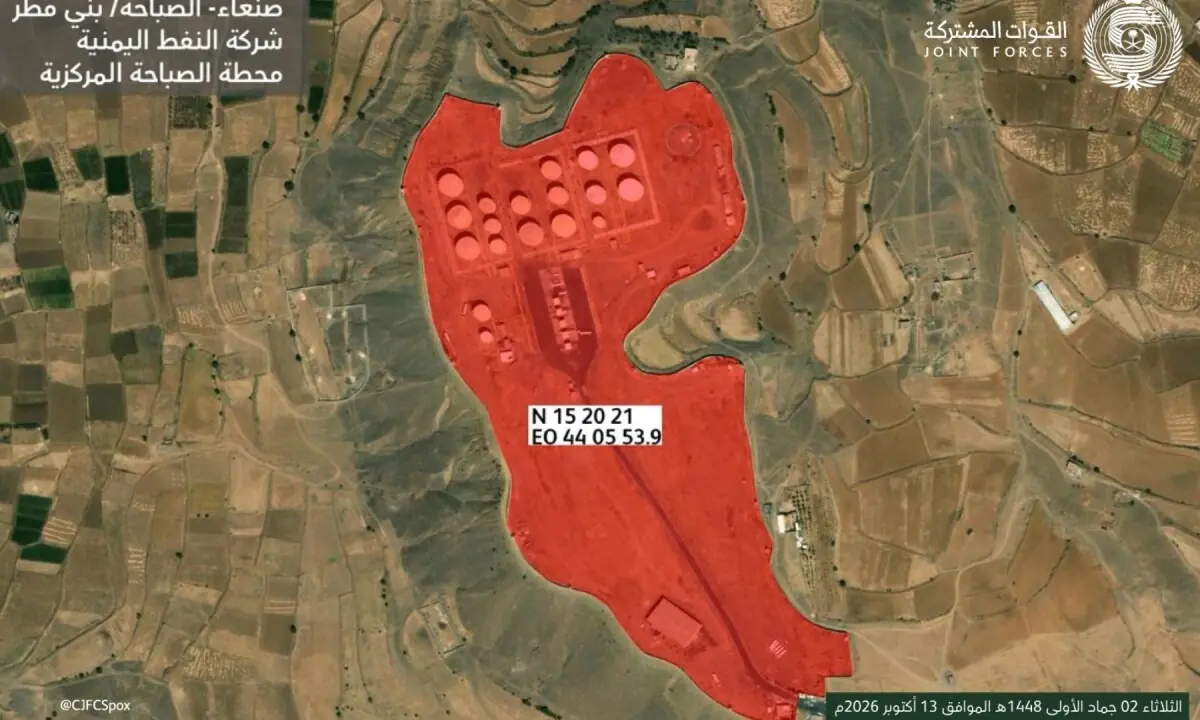
Compounding these disruptions, conflict in Yemen has reignited, with Houthi forces carrying out repeated strikes against critical infrastructure in Saudi Arabia in recent days, including energy installations and commercial airports.
Aurangzeb identified the attacks on infrastructure across Saudi Arabia and neighboring Gulf nations as deeply worrying for Pakistan’s economic outlook over the longer horizon. The finance minister warned that persistent damage to vital regional infrastructure would delay the restoration of stability and prolong disruptions across global supply networks.