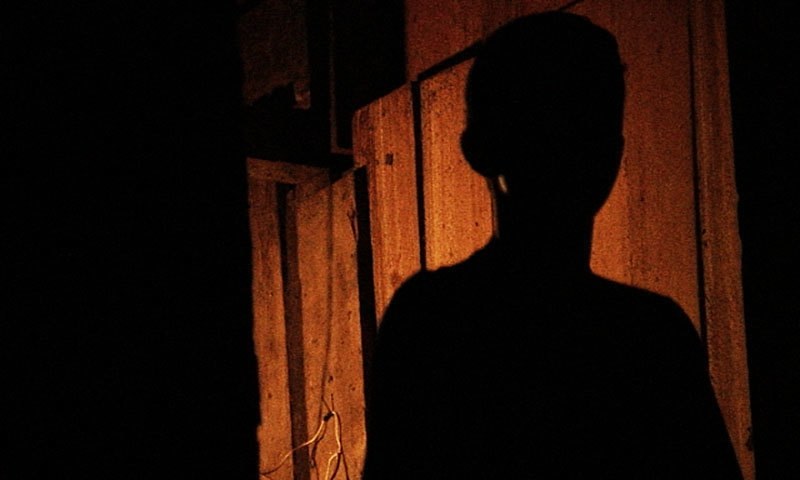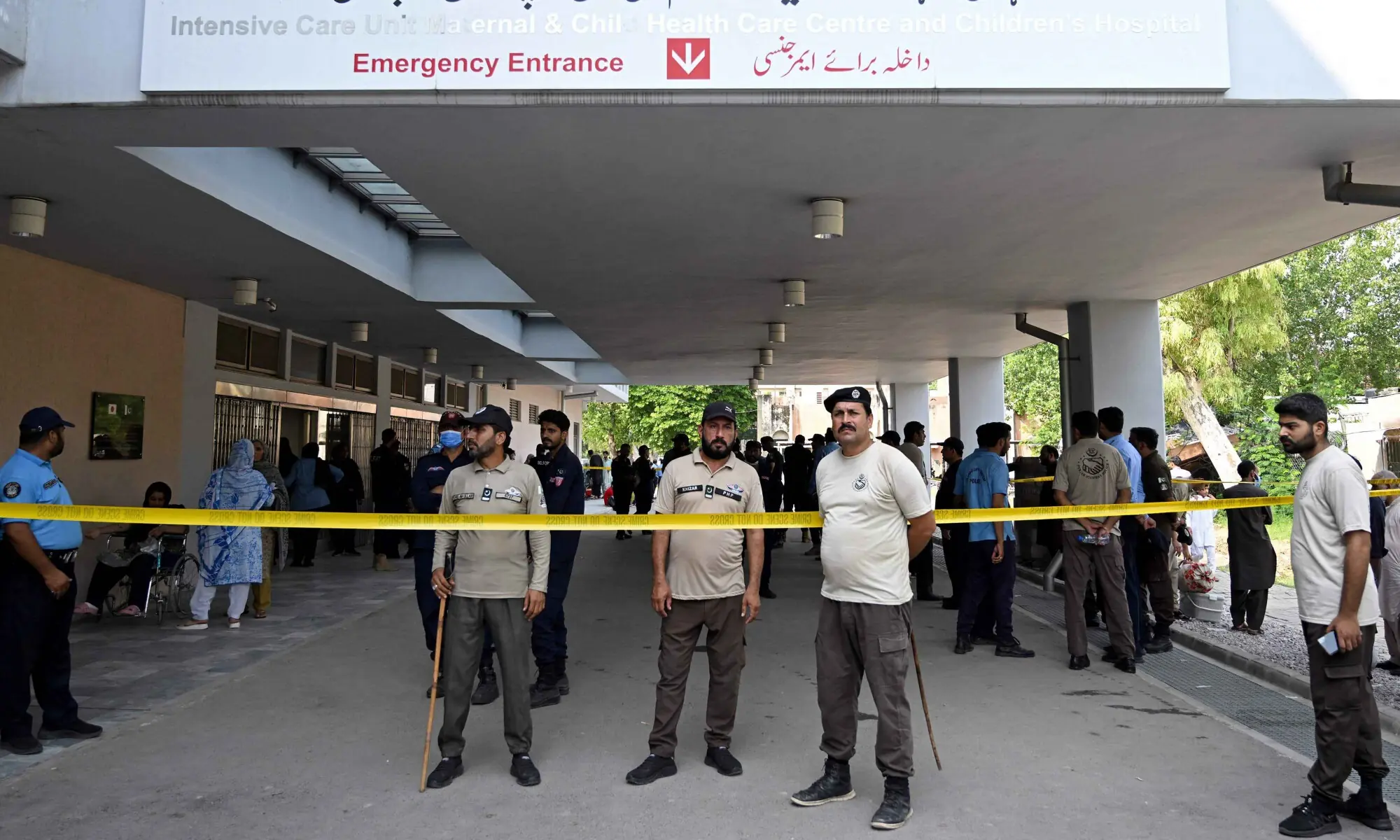


In an enforcement operation addressing digital harassment and unauthorized photo manipulation, the National Cyber Crime Investigation Agency (NCCIA) has taken a male suspect into custody in Karachi. The arrest occurred in the city’s Gulistan-e-Jauhar neighbourhood following allegations that the individual harassed and defamed a woman using manipulated digital materials.
Allegations Involving Artificial Intelligence and Image Alteration
According to available details, the suspect is accused of using artificial intelligence and digital editing software to alter and generate photographs of the complainant. The resulting imagery was subsequently distributed online across multiple fictitious social media accounts, prompting formal regulatory scrutiny.
Investigators noted that the engineered visuals were circulated through these deceptive profiles to target the victim’s reputation. The unauthorized deployment of such tools has intensified concerns regarding how rapidly evolving software can be weaponized against individuals, causing severe emotional distress, infringements on personal privacy, and reputational injury.
Technical Complexities in Tracking Synthetic Media
The Gulistan-e-Jauhar operation brings into focus the operational hurdles encountered by law enforcement agencies tracking modern cybercrimes. Generative AI utilities allow users to produce realistic modifications of existing media swiftly and with minimal technical barriers. When these altered assets are paired with anonymous or fabricated accounts, identifying the originators demands detailed digital analysis and technical evidence collection.
Cybercrime authorities continue to rely on digital forensic protocols to trace IP footprints, review device data, and establish ownership of fraudulent accounts used in online campaigns. The technical expertise required to unmask anonymous operators represents a critical aspect of resolving such investigations.
Emerging Challenges for Digital Safety in Pakistan
Law enforcement agencies face growing demands to address novel formats of digital harassment, non-consensual image manipulation, and online intimidation. The proliferation of accessible digital generation software has outpaced public awareness regarding digital hygiene and regulatory boundaries.
Authorities have consistently underscored that the distribution of altered imagery without explicit consent carries severe legal liabilities, particularly where intent to defame, intimidate, or blackmail can be shown. As the investigation into the Gulistan-e-Jauhar case proceeds, regulatory bodies continue to monitor emerging digital risks to safeguard internet users from unauthorized AI-driven defamation.