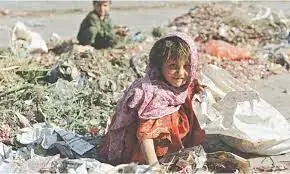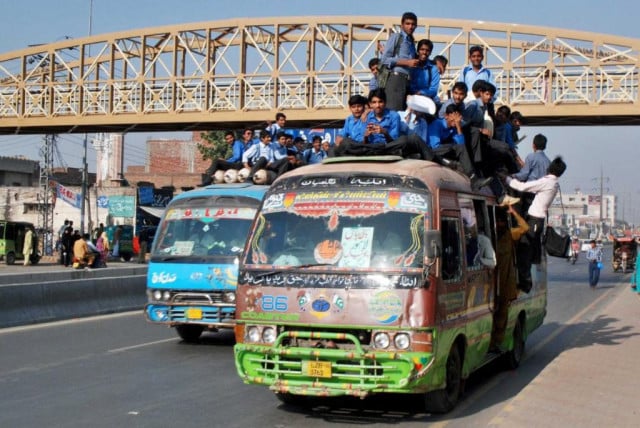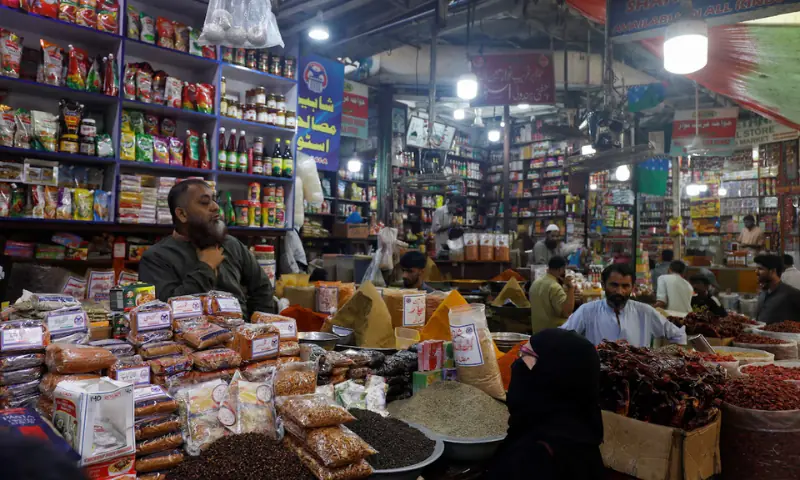

More than one-third of Pakistan’s population experiences overlapping deprivations across health, education, and living standards, according to the latest Multidimensional Poverty Index (MPI) released by the United Nations Development Programme (UNDP).
Data released by the United Nations agency in New York indicates that 38.3 percent of people in Pakistan are multidimensionally poor. This figure places the country’s deprivation levels substantially above regional peers, with India recording a multidimensional poverty rate of 16.4 percent and Bangladesh registering 14.9 percent.
Understanding the Regional Comparisons
The report cautions that these cross-country figures do not represent a strictly contemporaneous comparison. Because the assessments rely on household surveys administered across varying years in different countries, direct chronological equivalence between the national data sets is limited.
Nevertheless, the metrics highlight acute challenges within Pakistan’s socioeconomic framework. Alongside the 38.3 percent classified as multidimensionally poor, the intensity of deprivation among this group was measured at 51.7 percent, highlighting the compounded nature of the shortages experienced by affected individuals.
In addition to the population currently categorized as multidimensionally poor, a further 12.9 percent of people in Pakistan are deemed vulnerable to multidimensional poverty. This classification underscores that a notable segment of the population remains precarious and faces the ongoing hazard of slipping into acute hardship.
Measuring Deprivation Beyond Income
The Multidimensional Poverty Index differs fundamentally from traditional income-based poverty metrics by tracking concurrent deficiencies across multiple daily essentials.
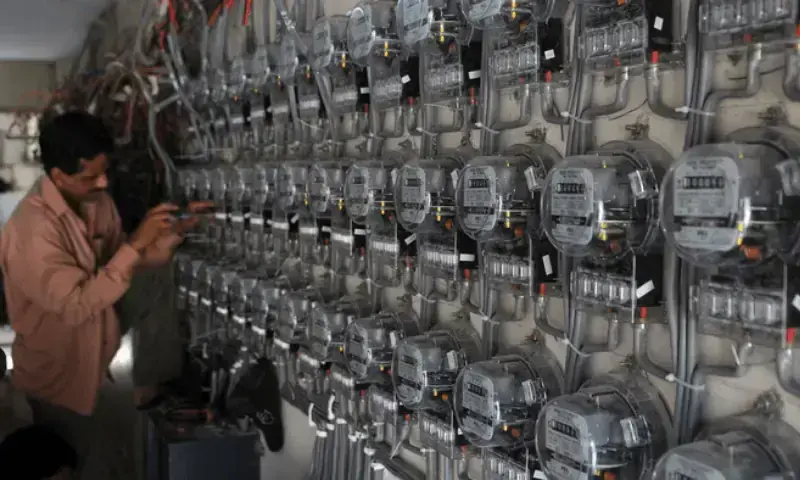
Rather than evaluating monetary earnings alone, the index assesses compound disadvantages across several primary sectors. These include core health and demographic indicators such as nutrition and child mortality; educational parameters encompassing total years of schooling and school attendance; and essential living standards including access to sanitation, safe drinking water, electricity, adequate housing, and basic household assets.
A Worldwide Reversal in Poverty Reduction
The findings emerge amid a broader and troubling global trend documented by the UNDP. For the first time in 15 years, the worldwide total of people living in multidimensional poverty has experienced an increase, climbing to 1.2 billion as households encounter severe difficulties in securing basic necessities.
This aggregate represents an increase of 51.5 million individuals compared to the preceding update. The report also highlights a disproportionate demographic impact, noting that children account for more than half of the 1.2 billion people globally enduring multidimensional poverty.