
Transition to Daily Petroleum Pricing
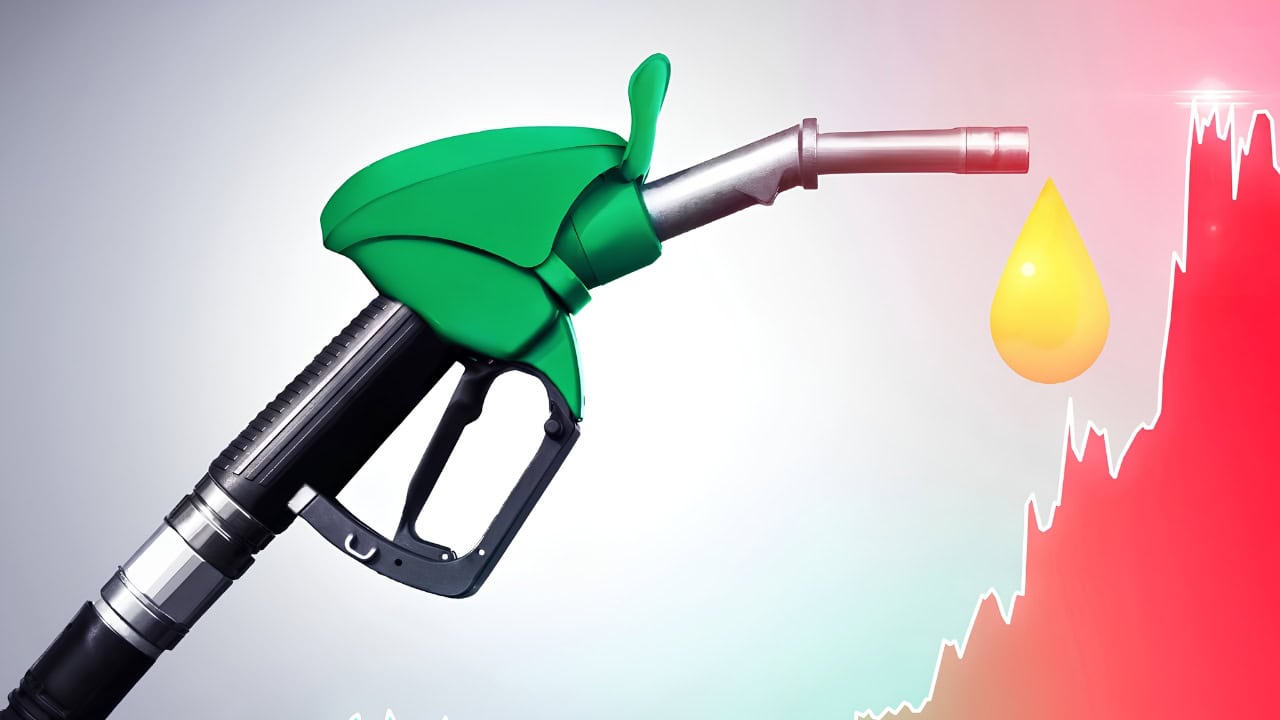
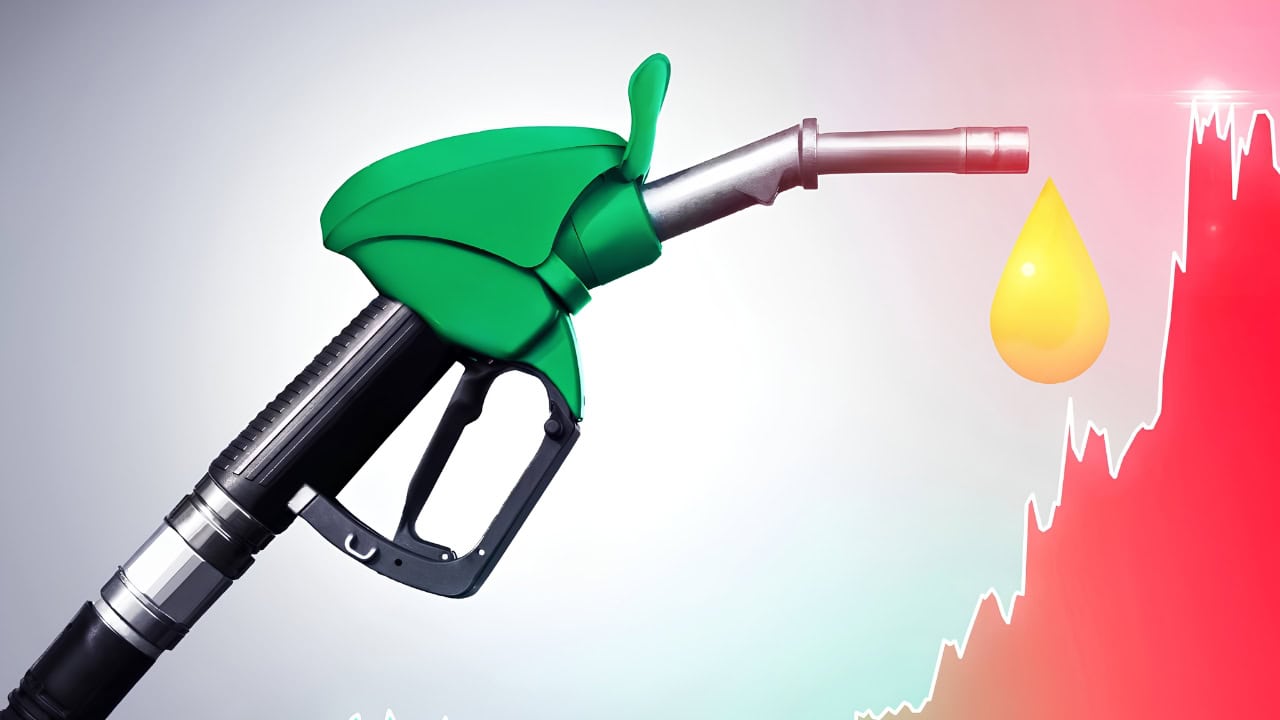
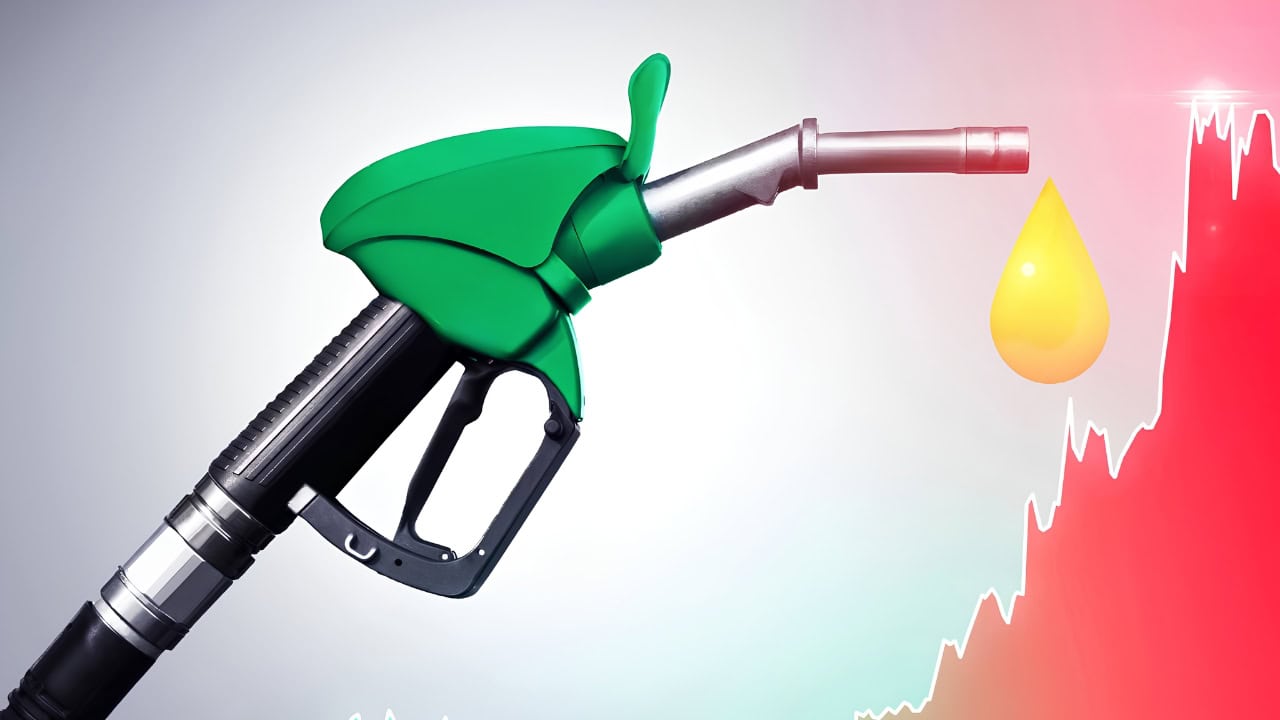
The Federal Government has officially transitioned to a strategy of adjusting domestic petrol and diesel prices on a daily basis. Under the new mechanism effective July 17, 2026, the Oil and Gas Regulatory Authority (OGRA) is revising the ex-depot prices of key petroleum products every 24 hours.
Authorities implemented the policy shift to cushion the domestic economy against extreme volatility in international oil markets. The newly established daily pricing regime applies directly to Motor Spirit (MS), commonly known as petrol, and High Speed Diesel (HSD). However, OGRA has specified that prices will remain unchanged over weekends—specifically Saturdays and Sundays—as well as on official public holidays.
Mixed Trend in Latest Revisions
The initial daily adjustments under the new protocol have delivered a mixed price trajectory for consumers across the country. According to OGRA, the revision includes another increase in the price of petrol, while the price of High Speed Diesel has experienced a slight decrease.
The move to update ex-depot fuel values every 24 hours reflects an operational attempt to align local pump rates more closely with fast-moving import costs, ensuring that regulatory adjustments respond dynamically to short-term swings in overseas procurement.
Global Energy Disruption and Middle East Crisis
The regulatory shift comes in the wake of severe disruptions to the international energy supply, described as the most significant shock to global oil markets since the 1970s. The current crisis stems from the 2026 conflict involving the United States, Israel, and Iran, which sparked widespread turbulence across international fuel networks.
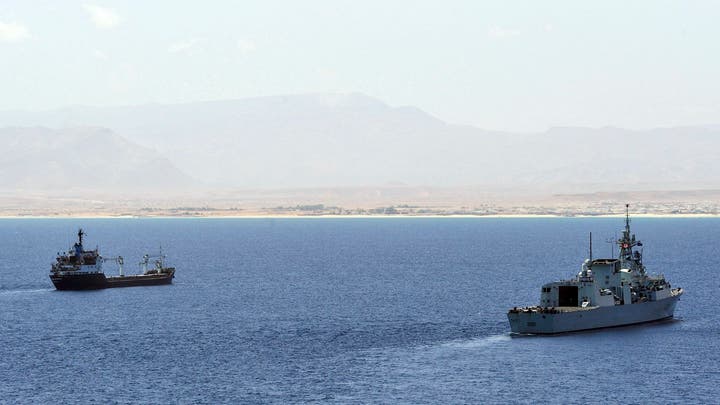
In late February, shipping routes traversing the Strait of Hormuz were blocked by Iran. The narrow maritime corridor is critical to international commerce, having historically handled approximately 25 percent of the world’s seaborne crude trade. In response to the disruption of commercial traffic, the United States enforced an extensive naval blockade targeting Iranian ports.
Ceasefire Collapse and Ongoing Maritime Blockades
Although a temporary ceasefire briefly offered respite to energy markets in June, the truce collapsed entirely on July 8 following renewed strikes against commercial vessels in the area. In the aftermath of those attacks, Iran once again halted traffic through the Strait of Hormuz.
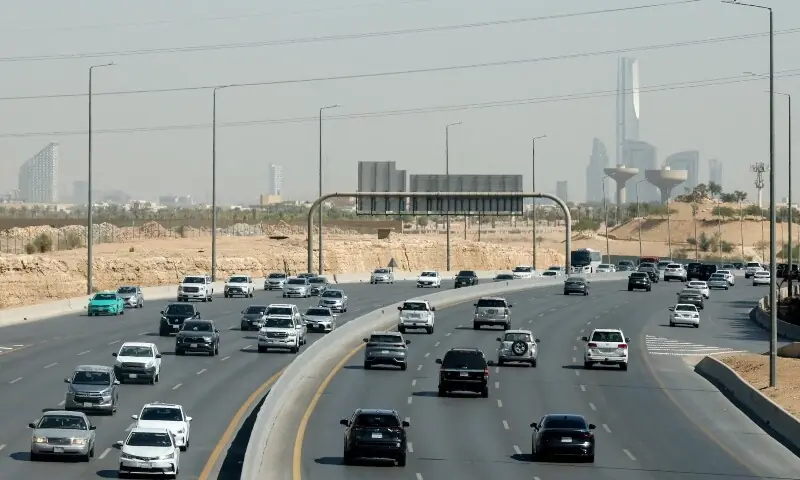
The United States military subsequently carried out consecutive waves of airstrikes intended to reopen the waterway. The ongoing crossfire, naval blockades, and maritime closures have heavily curtailed crude and refined product shipments worldwide. With global oil supplies remaining severely constrained, OGRA is utilizing daily price revisions to navigate the sustained volatility at Pakistan’s retail pumps.